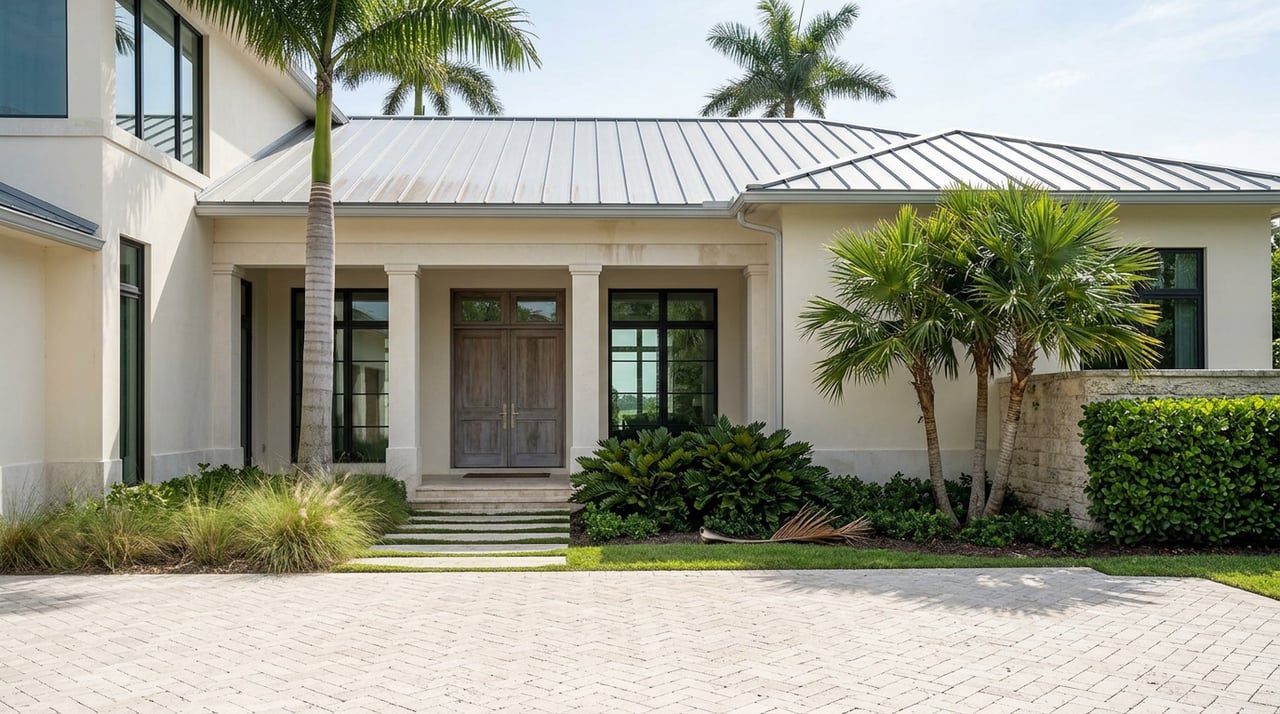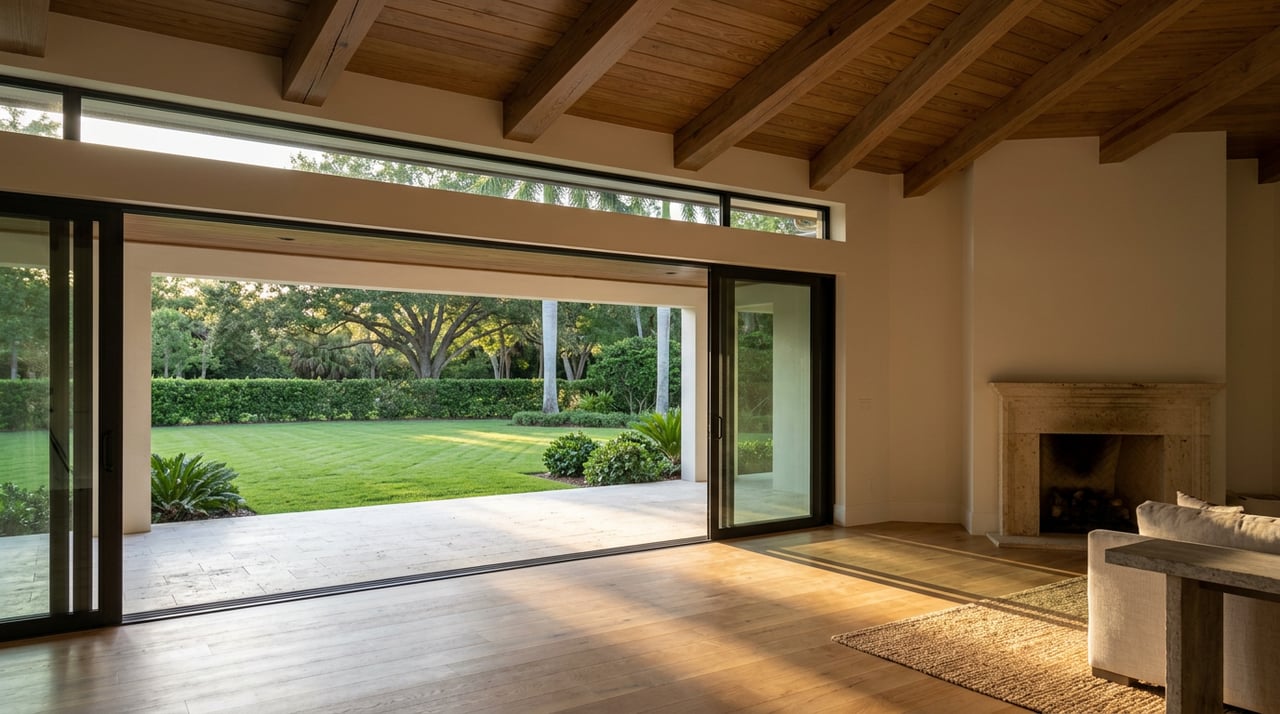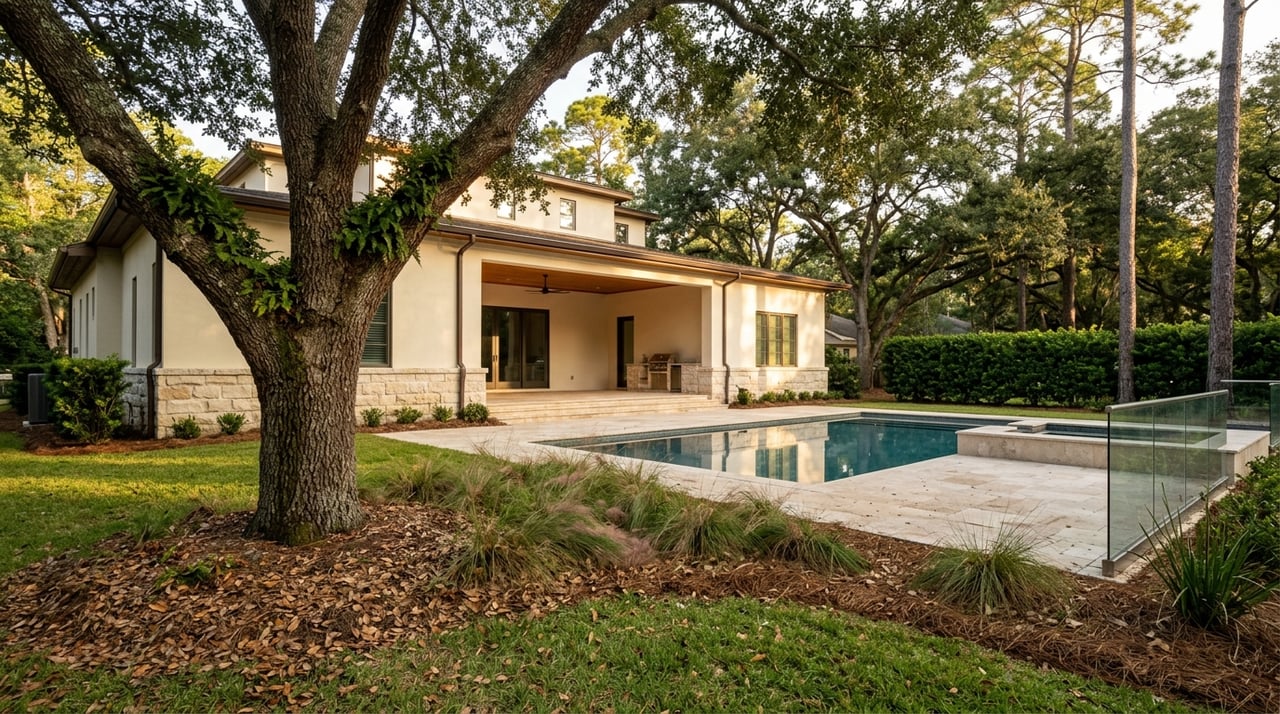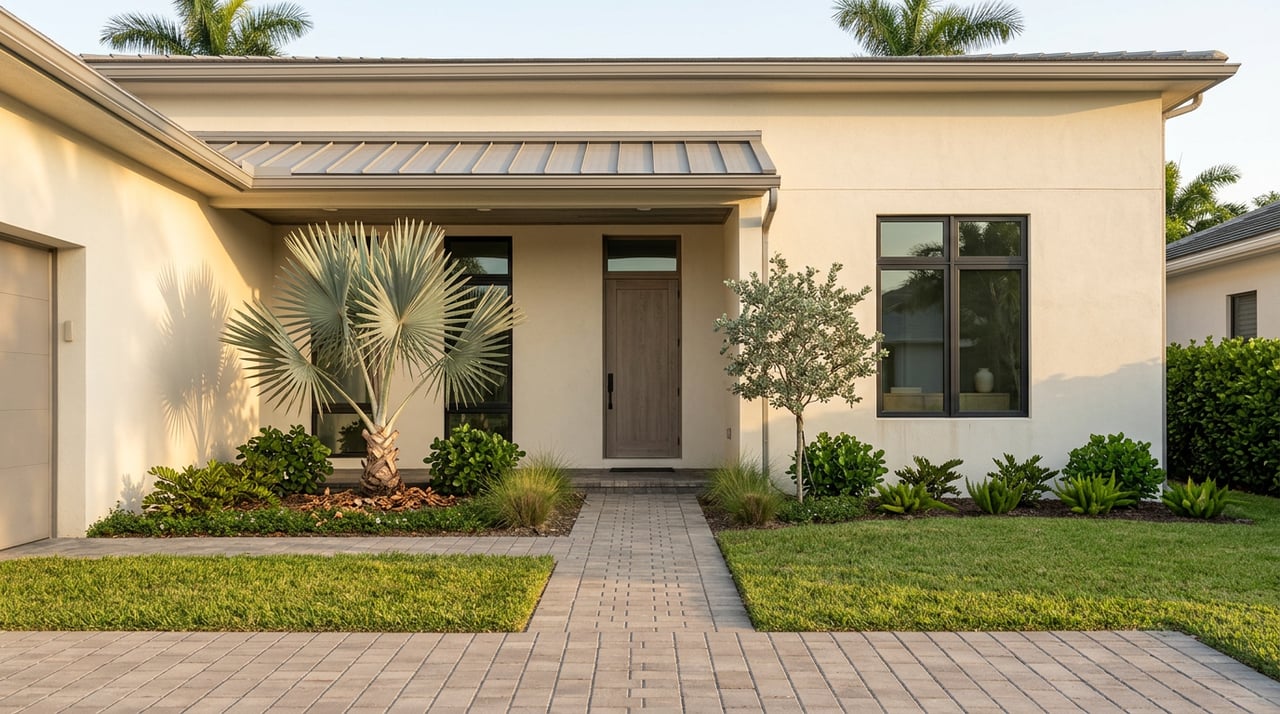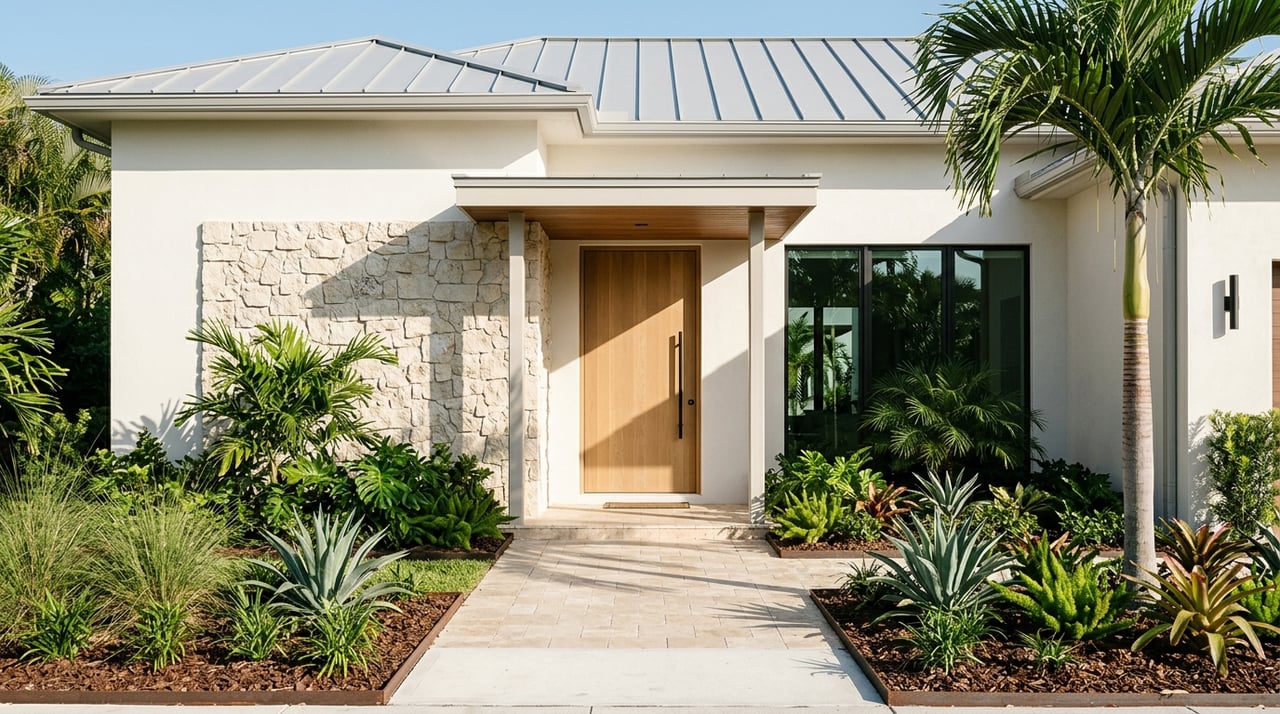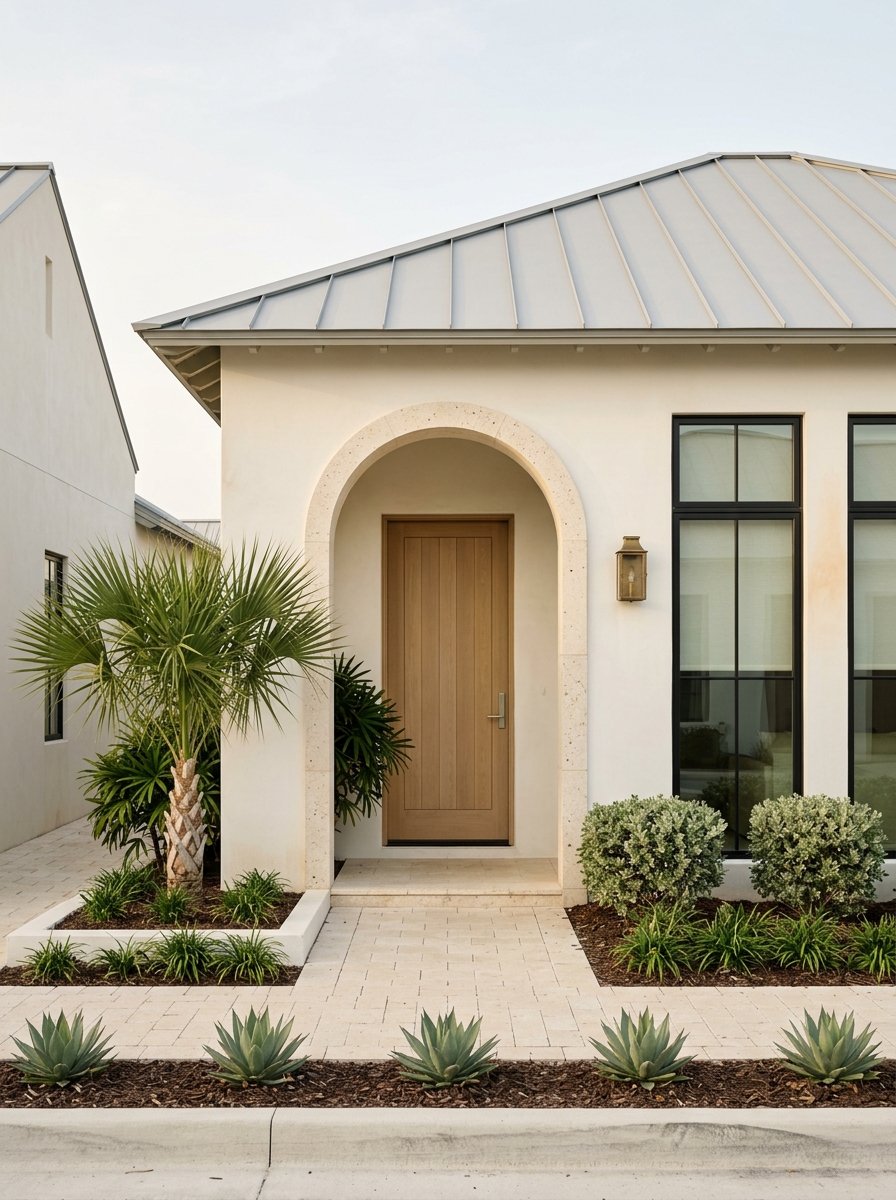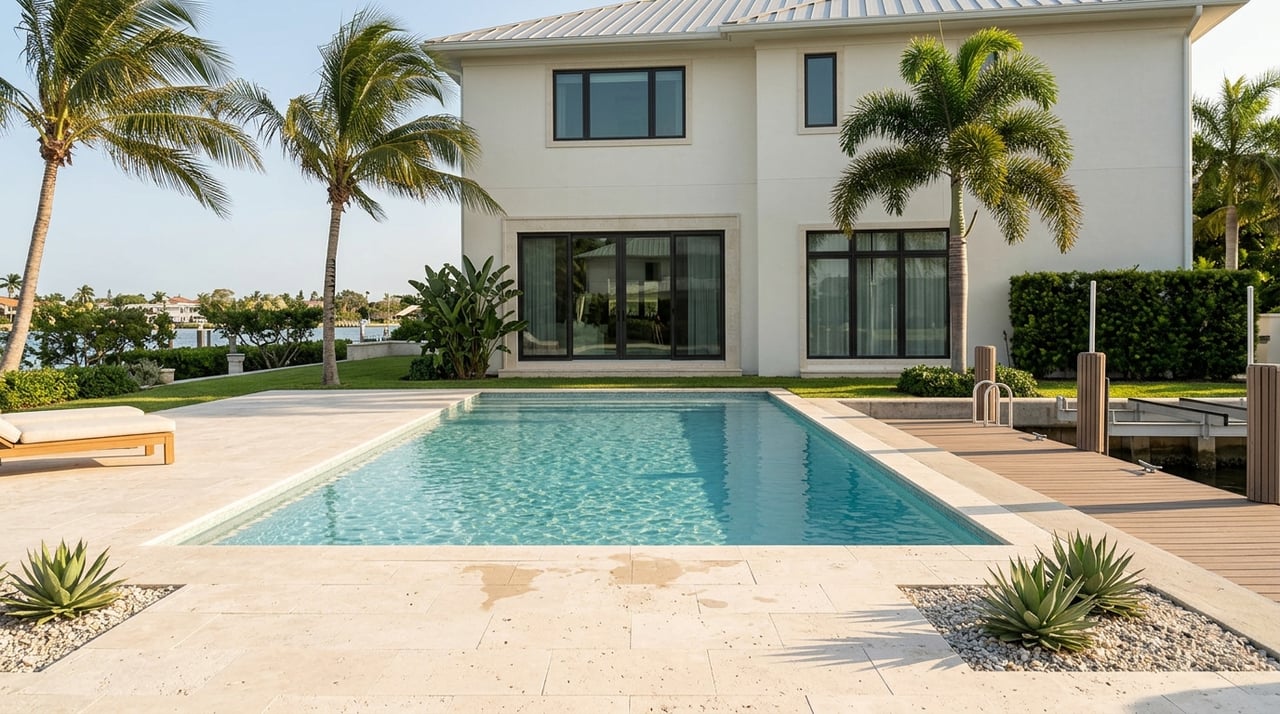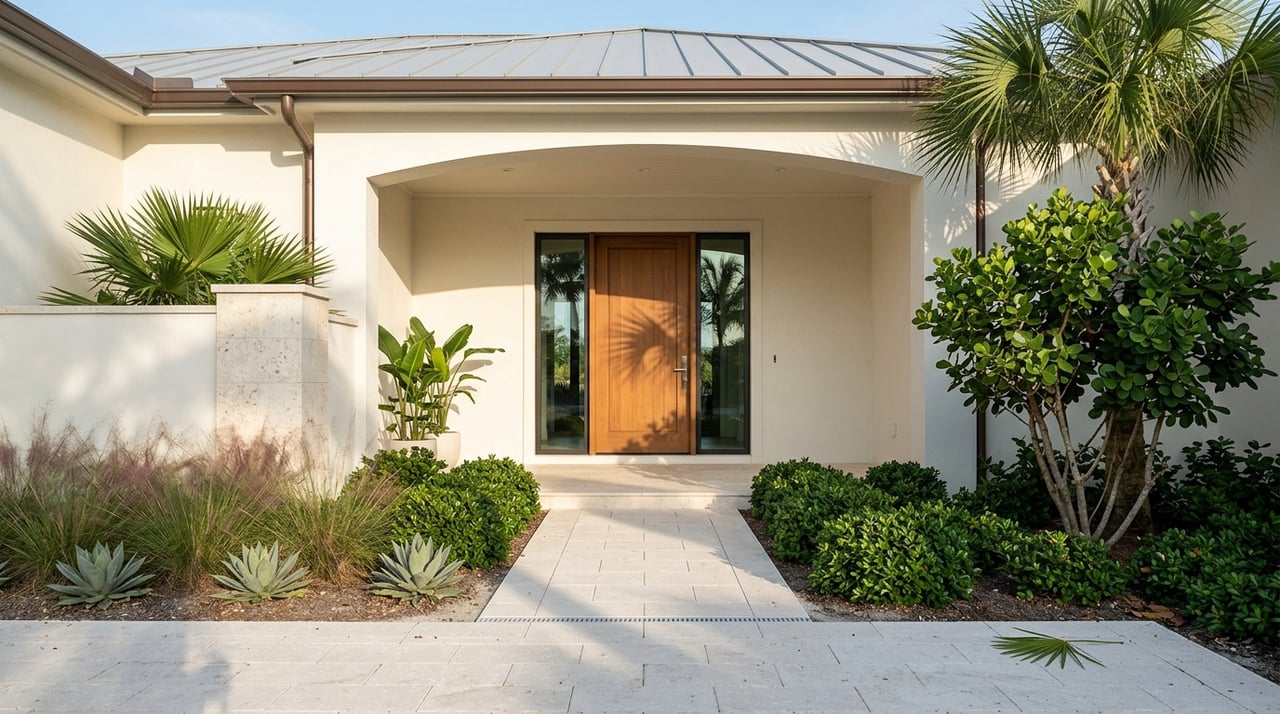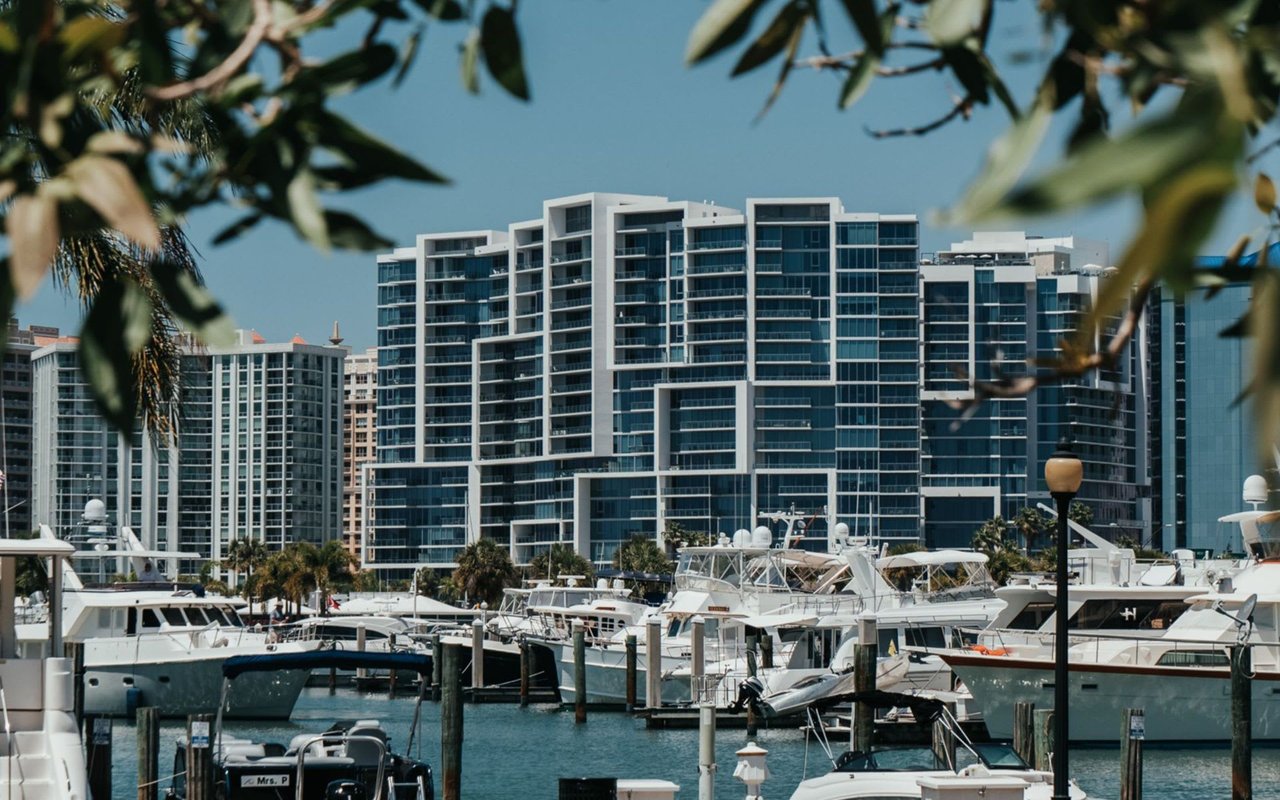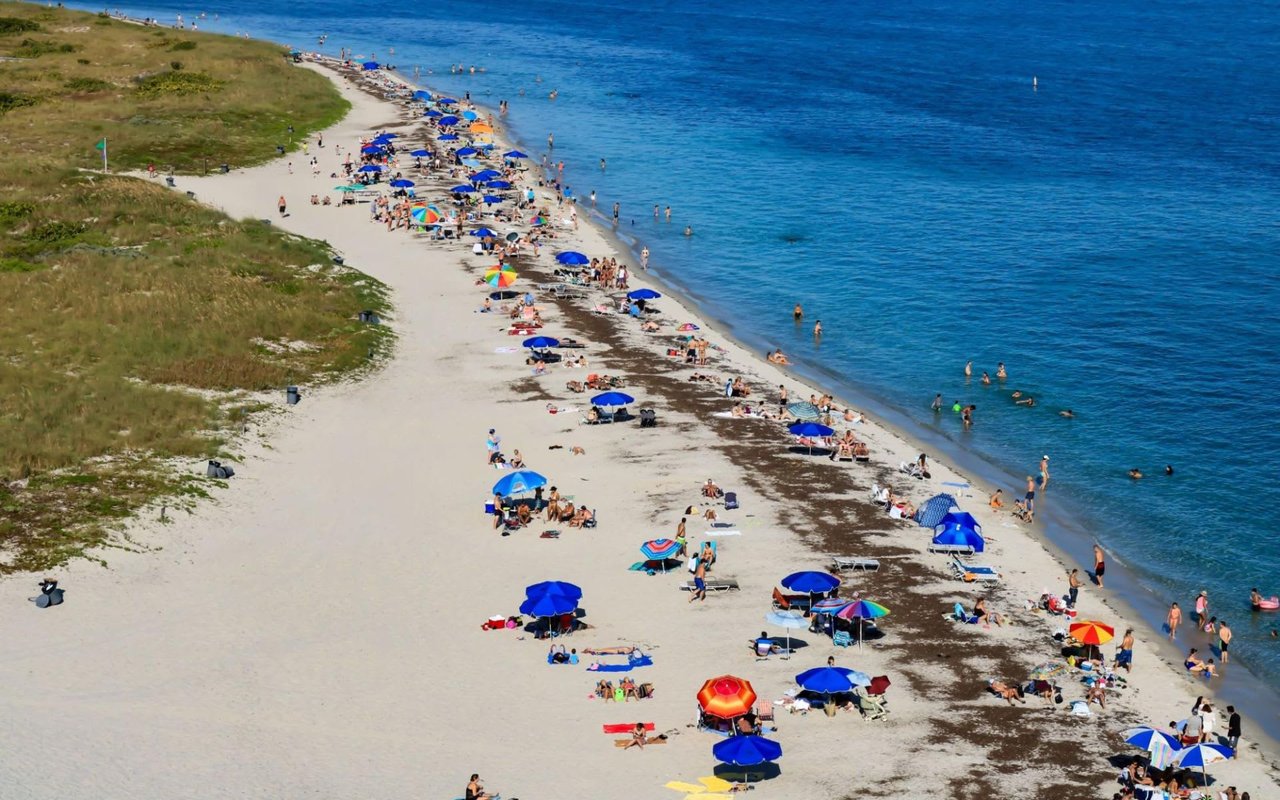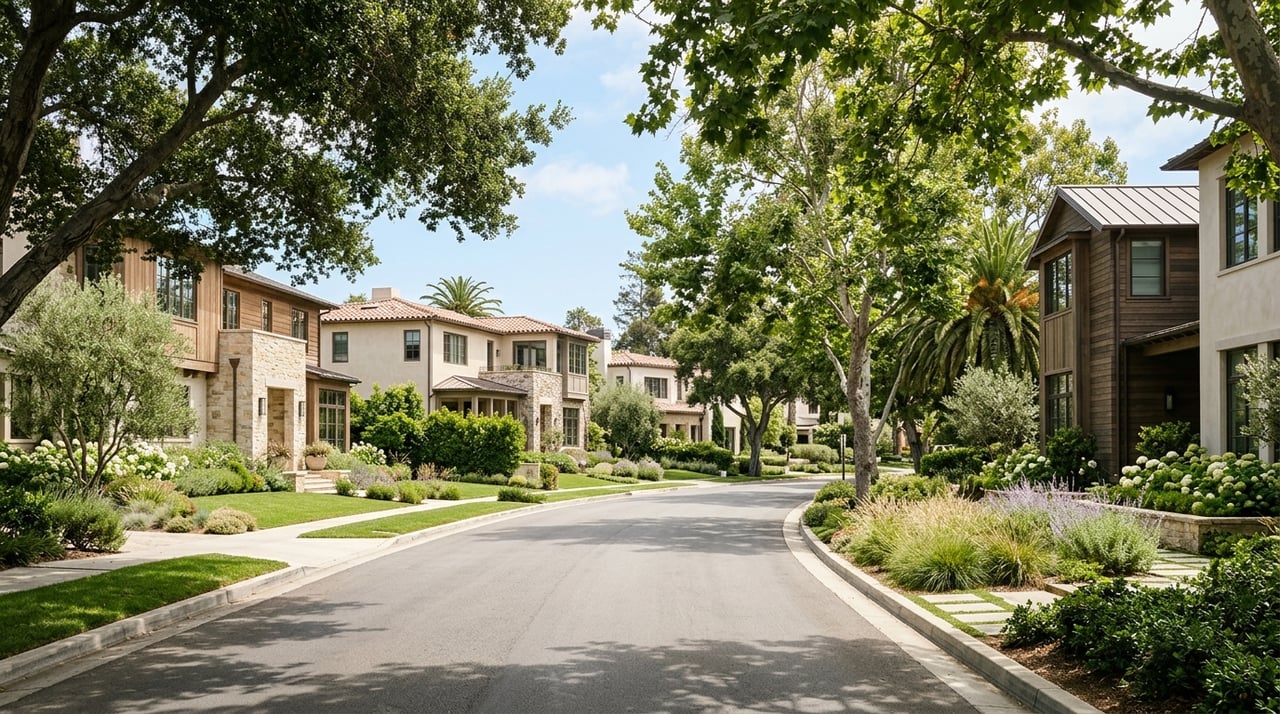
If you have started looking at West of Trail, you have probably realized one thing fast: it does not feel like just one neighborhood. One block may offer a shaded historic street with smaller homes and mature canopy, while the next turns toward larger lots, waterfront settings, or newer custom construction. Understanding those differences can help you narrow your search, compare homes more clearly, and make a smarter move in Sarasota. Let’s dive in.
West of Trail Explained
West of Trail is best understood as a broad group of established Sarasota neighborhoods located west of U.S. 41, also known as Tamiami Trail. The City of Sarasota neighborhood map includes pockets such as Harbor Acres, Cherokee Park, Hudson Bayou, McClellan Park, South Poinsettia Park, Bay Point Park, and Oyster Bay.
What ties these areas together is less about one housing style and more about location and lifestyle. Across the corridor, you will find bay proximity, mature trees, walkable streets in select areas, and quick access to downtown Sarasota and Southside Village.
Why West of Trail Feels So Different
One of the biggest reasons buyers are drawn to West of Trail is variety. This part of Sarasota brings together bayfront enclaves, older historic blocks, and newer rebuild pockets that sit surprisingly close to each other.
That means your experience can shift from street to street. Some blocks feel quiet and tucked away, some feel more connected to shops and dining, and others stand out for water access or newer luxury homes.
Bayfront Enclaves in West of Trail
Harbor Acres
Harbor Acres is one of the best-known bayfront pockets in West of Trail. Its neighborhood association describes low-traffic streets along Sarasota Bay, with homes in a range of sizes and styles.
For you as a buyer, that often means the setting is part of the value story. Street feel, privacy, and proximity to the water can matter just as much as the home itself.
Cherokee Park
Cherokee Park offers another established bayside setting, with tree-lined streets, lush landscaping, and an eclectic mix of architecture. The neighborhood is known for homes dating from the early 20th century through the post-World War II growth period.
It also reflects the layered character that many buyers want in West of Trail. You may find an older home with original charm, a renovated property, or a larger updated residence on a generous lot.
Oyster Bay
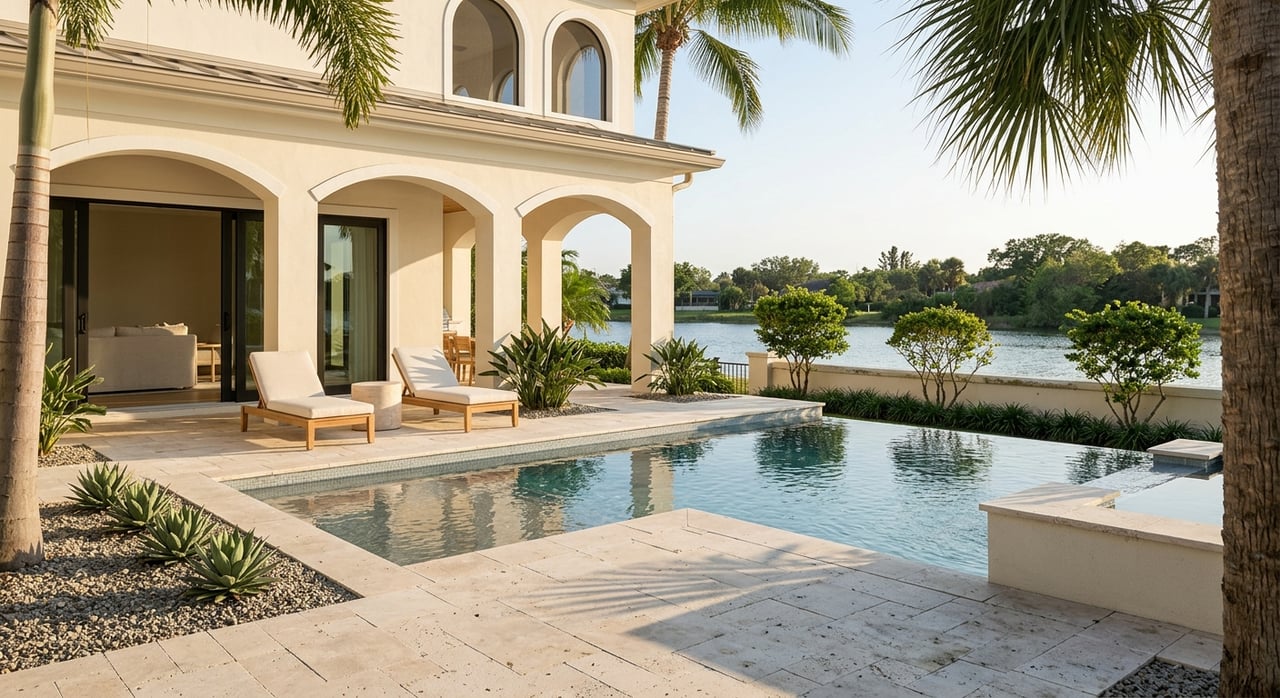
Oyster Bay tends to read as more of a bay-and-canal waterfront pocket. The area is noted for deep sailboat waterways, broad bay views, larger home sites, and a mix of old Florida homes, ranch properties, executive residences, and waterfront estates.
If your priorities include waterfront orientation, lot size, or boating access, this pocket stands apart. It is one of the clearest examples of how West of Trail can shift from in-town charm to true waterfront luxury.
Older Streets and Historic Cores
South Poinsettia Park and the Flower Streets
The Flower Streets in South Poinsettia Park are one of the clearest examples of older West of Trail street patterns. The neighborhood association notes that the area was platted in the 1920s with a botanical naming theme and includes 19 streets.
Here, you will see a mix of 1920s historic homes and modern luxury residences. That blend gives the area a layered feel, where older scale and newer updates exist side by side.
South Poinsettia Park also stands out for location. The neighborhood association describes it as bordered by downtown, The Bay, Siesta and Lido Keys, and adjacent to Southside Village, all within Sarasota city limits.
McClellan Park
McClellan Park adds another important piece to the West of Trail story. Sarasota History Alive describes it as a 56-acre subdivision dating to 1916, set between Osprey Avenue and the bay with curved roadways, shell-covered roads, shade trees, and flowering shrubs.
It is a helpful reminder that some West of Trail streets were designed with a very different rhythm than later suburban neighborhoods. Curves in the roads, mature landscaping, and evolving architectural styles all contribute to a setting that feels established and distinct.
Smaller Historic Pockets
The city’s historic preservation plan also identifies smaller west-of-trail areas such as Bungalow Hill, Granada, and McClellan Park as historically important blocks or historic-district candidates. For you, that helps explain why certain streets retain older character even as nearby homes are renovated or replaced.
This matters when you compare homes. In West of Trail, neighborhood context often influences value, appeal, and future decision-making just as much as square footage.
Newer Infill and Rebuild Blocks
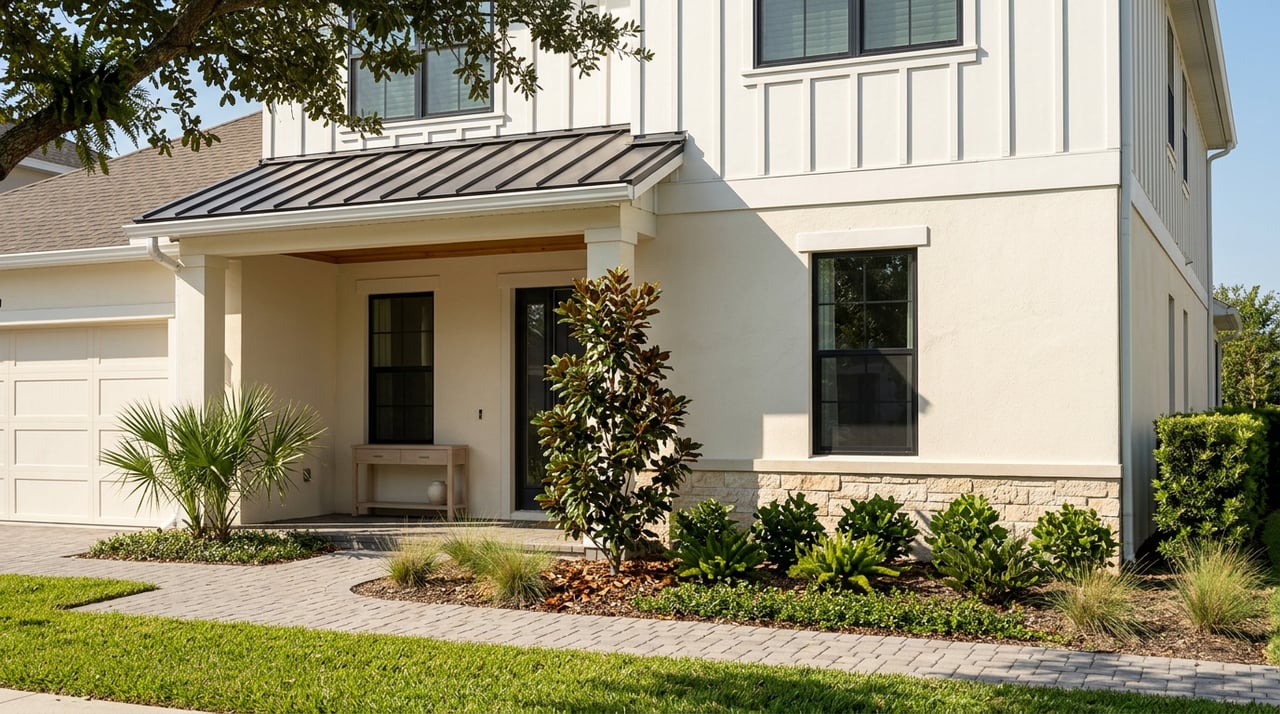
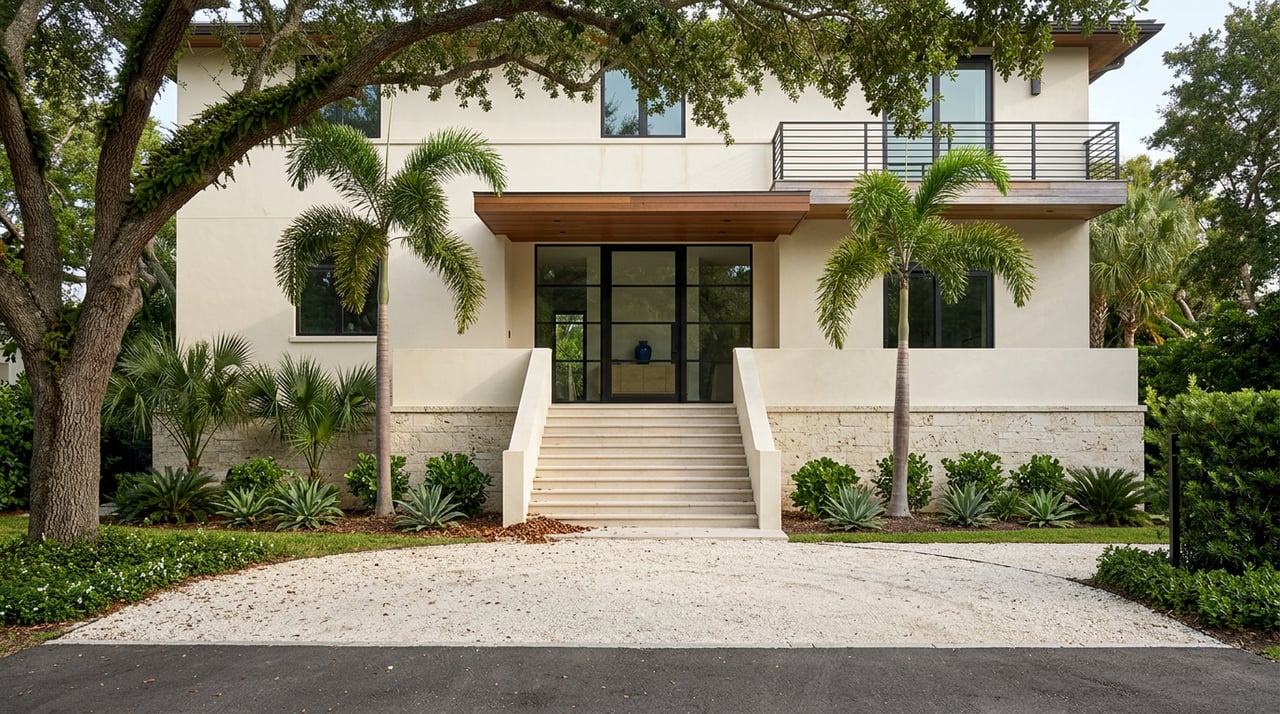
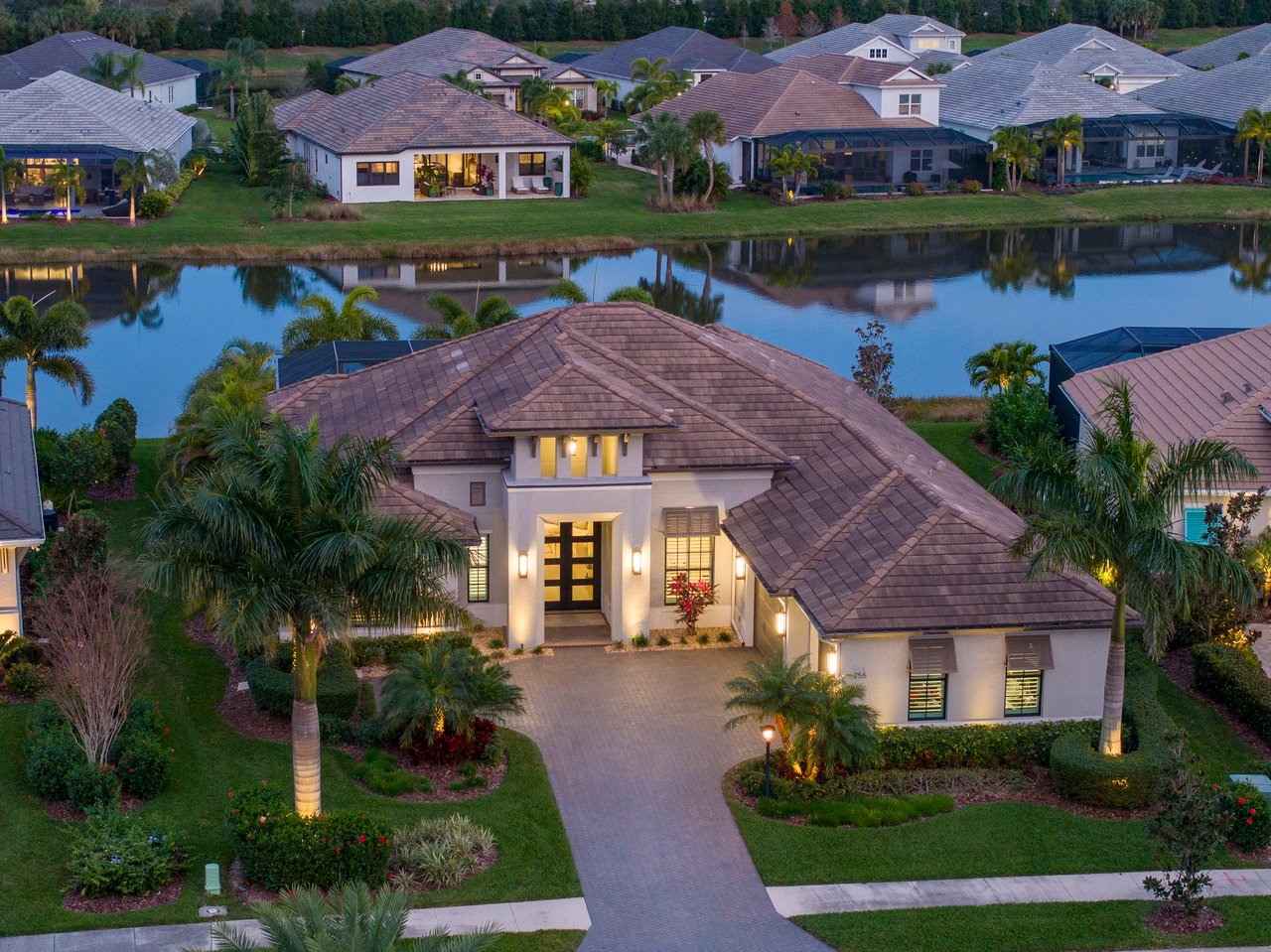
West of Trail is not a master-planned area with one section reserved for all newer homes. Instead, newer product usually appears block by block as custom infill or rebuilds on existing lots.
That pattern is part of what makes the area interesting. On one street, you may see a preserved cottage, a renovated ranch, and a newly built custom home all within a short distance.
The City of Sarasota’s current preservation program notes that properties more than 50 years old can be considered for historic designation, and structures associated with the Sarasota School of Architecture are also recognized for preservation review. In practical terms, that means some homes may carry added preservation considerations while others become prime candidates for renovation or replacement, depending on the property.
In places like Oyster Bay, local market commentary and active listings reinforce the trend toward newer estate homes on spacious lots. The result is a neighborhood mix where updated systems and larger modern floor plans can exist within a very established in-town setting.
Common Housing Styles You Will See
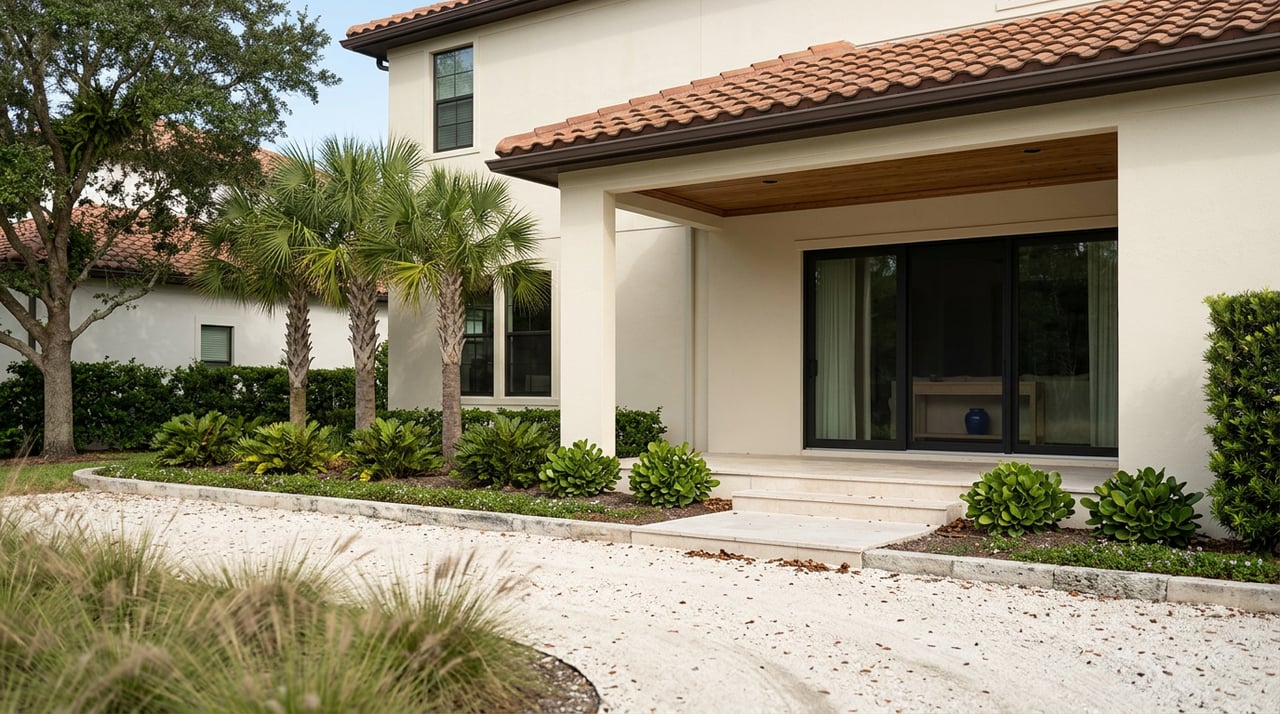
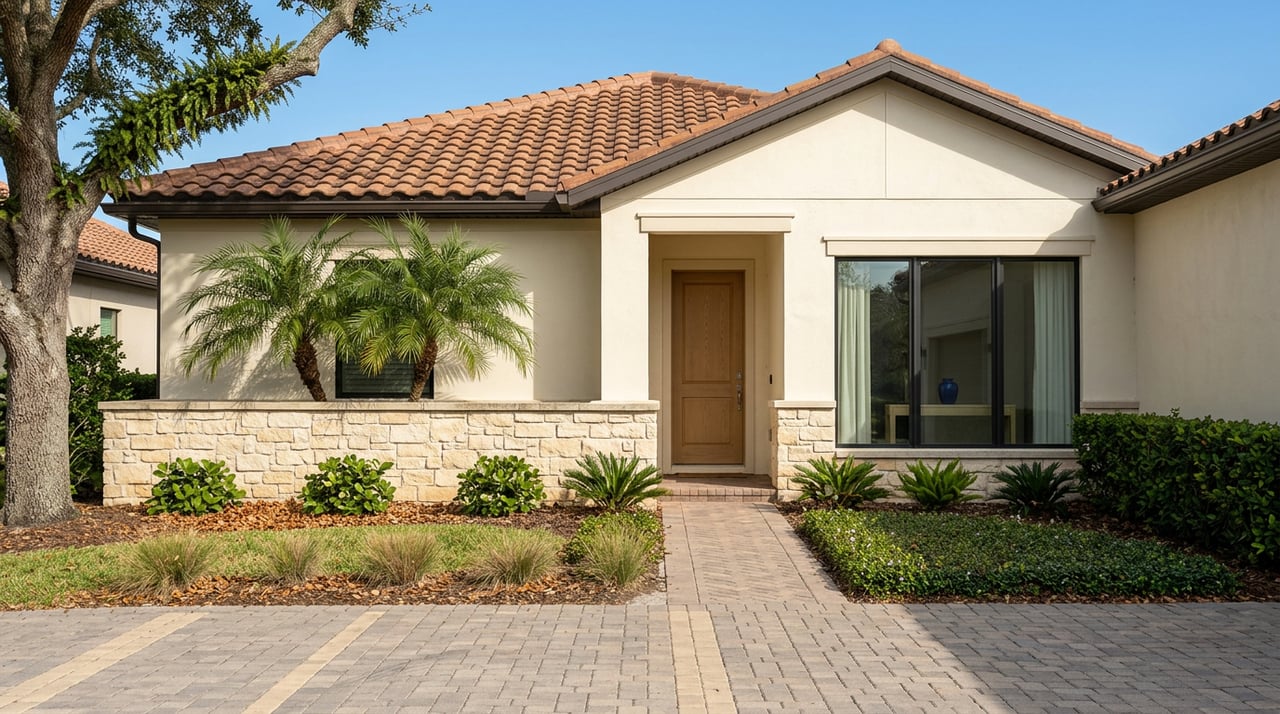
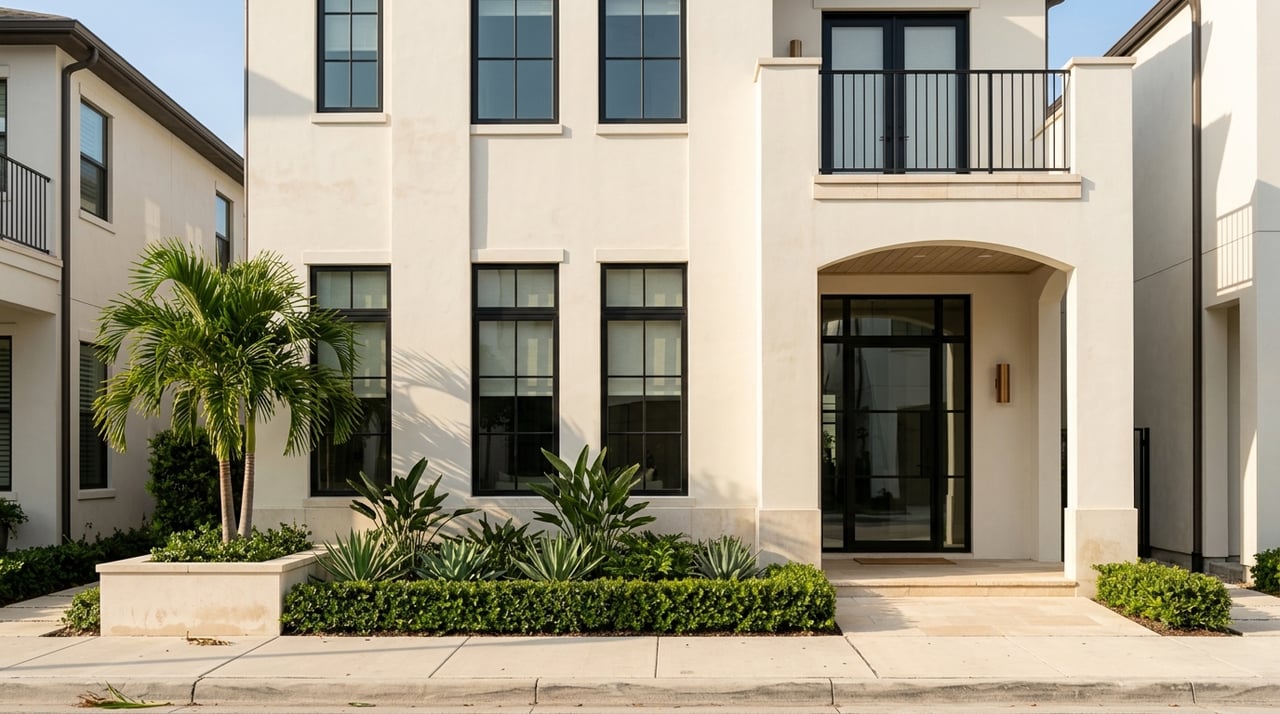
West of Trail does not follow one architectural template. Instead, the area includes a broad mix of styles that reflect Sarasota’s growth across different eras.
Common styles include:
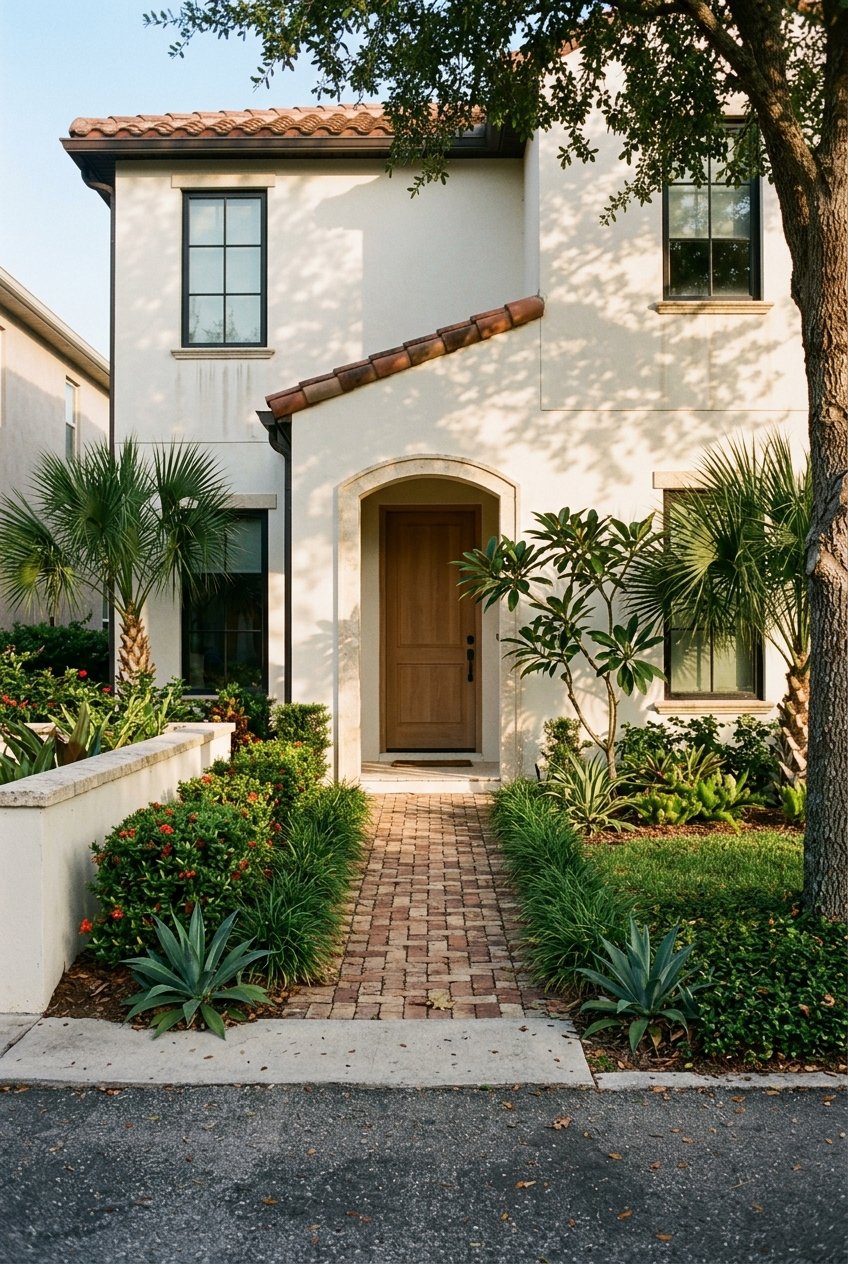
- Spanish Colonial Revival
- Mission Revival
- Mediterranean Revival
- Mid-Century Modern
- Florida bungalows
- Ranch homes
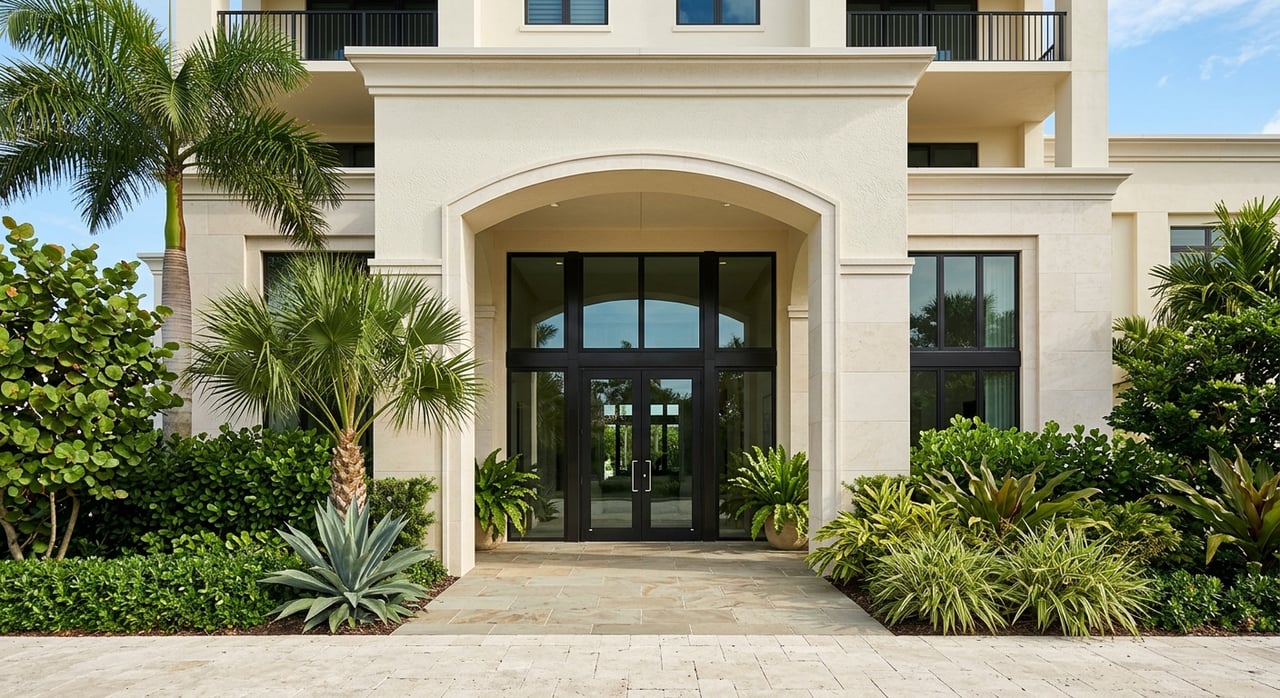
- Newer luxury residences
That variety is part of the appeal, but it also changes how you evaluate a property. A smaller historic home in a walkable pocket may offer a completely different value proposition than a larger new build on a waterfront lot, even if both sit under the same West of Trail label.
Lot Patterns Matter Here
In West of Trail, lot quality often matters almost as much as house quality. That is especially true when you compare homes on the same or nearby streets.
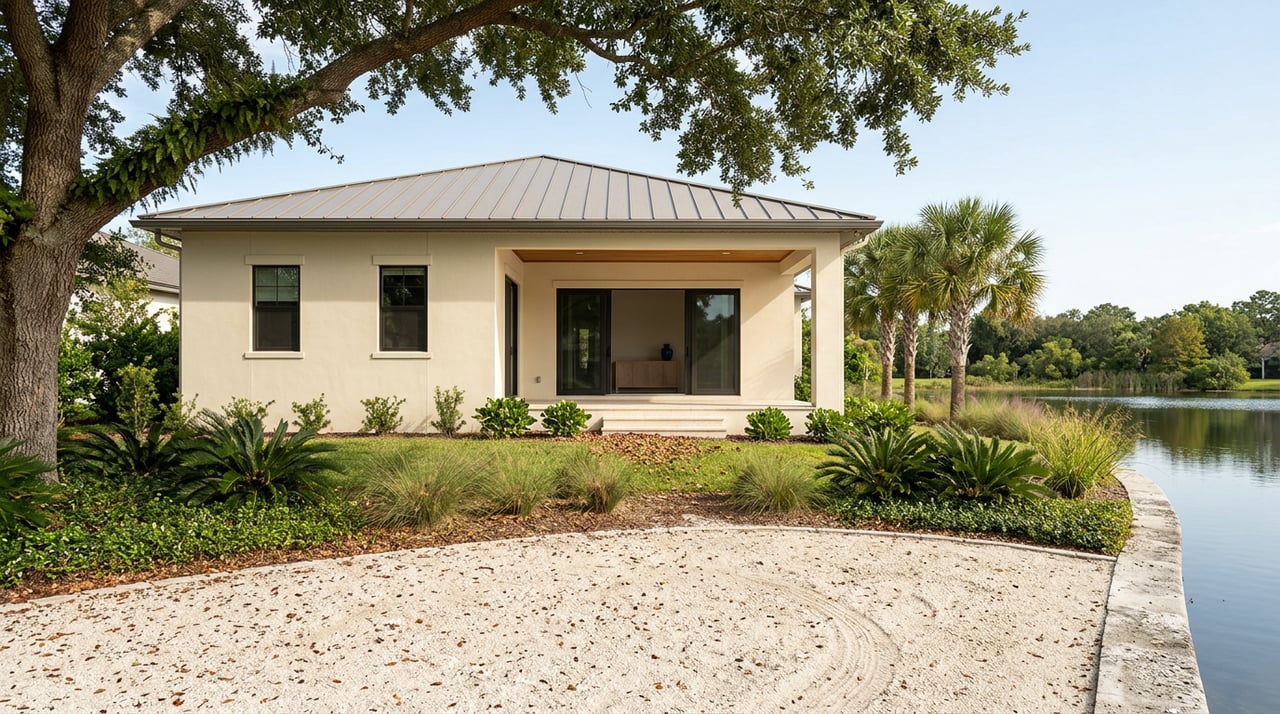
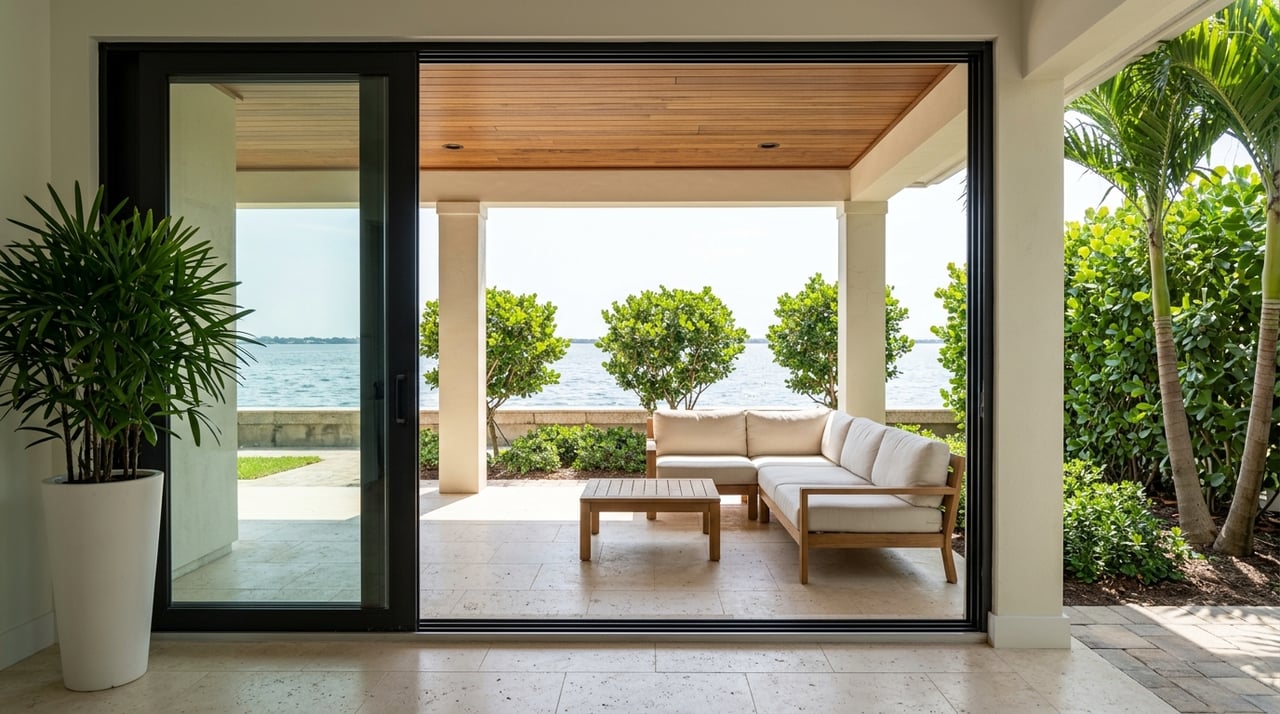
Bayfront and canal-front pockets often feature larger or more irregular sites, deeper setbacks, and outdoor areas designed around the water. Older interior streets may have smaller footprints, mature canopy, and a more consistent historic rhythm from lot to lot.
Harbor Acres is known for low-traffic bayfront streets, Cherokee Park for mature oak trees, sidewalks, and wide quiet streets, and McClellan Park for roads that curve with the land. These details shape how a home lives day to day, not just how it looks in listing photos.
Price Positioning in West of Trail
West of Trail sits in Sarasota’s premium price tier. As of May 2026, Sarasota citywide had a median listing price of $595,000, while the 34239 ZIP code had a median listing price of $1.25 million and a median of $539 per square foot.
Because 34239 includes a large share of the south-side West of Trail market, it offers a useful guide to price positioning. It also shows why buyers and sellers need to look beyond broad averages and focus closely on condition, lot quality, water access, and the level of renovation.
The same data showed 34239 as a buyer’s market in May 2026, with a median of 83 days on market and homes selling about 5.93% below asking on average. In a market like that, presentation and pricing discipline matter, and buyers often have reason to compare options carefully before acting.
Active listing examples also show how quickly pricing can rise in key pockets. Cherokee Park listings ranged from roughly $2.245 million to $6.99 million, while Oyster Bay listings ranged from about $2.349 million to $26.4 million. Those are not neighborhood medians, but they clearly show the premium attached to waterfront position, lot size, and newer or more expansive homes.
Daily Convenience and Access
A major part of West of Trail’s appeal is how close it keeps you to everyday Sarasota destinations. Depending on the pocket, you may be near downtown, Southside Village, Sarasota Bay, Bayfront Park and Marina, Selby Gardens, shopping, dining, and the north causeway to Siesta Key.
South Poinsettia Park highlights proximity to downtown, The Bay, Siesta and Lido Keys, and Southside Village. Cherokee Park notes convenience to shopping, dining, cultural attractions, Sarasota Memorial Hospital, and nearby waterfront destinations. Oyster Bay also benefits from close access to Southside Village, Main Street, Sarasota Bayfront, and Siesta Key routes.
City mobility options add to that connectivity. Sarasota’s Bay Runner trolley offers free service seven days a week until midnight, Ringling Trail connects downtown with shops, offices, homes, and parks, and the Alderman multi-use recreational trail creates a direct link from the Legacy Trail to downtown.
How to Choose the Right West of Trail Pocket
If you are buying in West of Trail, start by deciding which tradeoffs matter most to you. The right fit often comes down to whether you value waterfront setting, historic character, walkability, larger lots, or newer construction.
A simple way to think about it is this:
- Bayfront enclaves often appeal if you want privacy, water orientation, and larger sites.
- Older street networks may feel best if you are drawn to canopy, charm, and a more established historic rhythm.
- Newer infill or rebuild blocks can be a strong match if you want updated systems, larger floor plans, and a polished custom-home feel.
For sellers, this same framework matters when positioning your home. In West of Trail, buyers are not just comparing bedroom counts. They are comparing setting, lot quality, architectural style, renovation level, and how your property fits within its specific pocket.
West of Trail rewards a more detailed, street-level understanding of the market. That is exactly why tailored guidance can make such a difference, whether you are narrowing your search or preparing a home for sale.
If you are considering a move in Sarasota and want a polished, hands-on approach to buying or selling in West of Trail, Victoria Turner offers bespoke guidance shaped around your goals, your timing, and the details that matter most.
FAQs
What does West of Trail mean in Sarasota?
- West of Trail refers to a group of established Sarasota neighborhoods located west of U.S. 41, rather than one single uniform subdivision.
Which Sarasota neighborhoods are part of West of Trail?
- The City of Sarasota map shows multiple neighborhoods in this corridor, including Harbor Acres, Cherokee Park, Hudson Bayou, McClellan Park, South Poinsettia Park, Bay Point Park, and Oyster Bay.
What housing styles are common in West of Trail Sarasota?
- Common styles include Spanish Colonial Revival, Mission Revival, Mediterranean Revival, Mid-Century Modern, Florida bungalows, ranch homes, and newer luxury residences.
Are all West of Trail homes waterfront properties?
- No. Some pockets include bayfront or canal-front homes, while many interior streets feature older homes, historic blocks, renovated properties, and newer infill residences without direct water frontage.
Why are West of Trail home prices often higher?
- Prices are often influenced by the area’s in-town location, bay proximity, lot quality, mature neighborhood setting, and the premium attached to waterfront or newly built homes.
How should buyers compare West of Trail homes in Sarasota?
- It helps to compare not just the home itself, but also the specific neighborhood pocket, lot size, water access, street character, and renovation or rebuild quality.