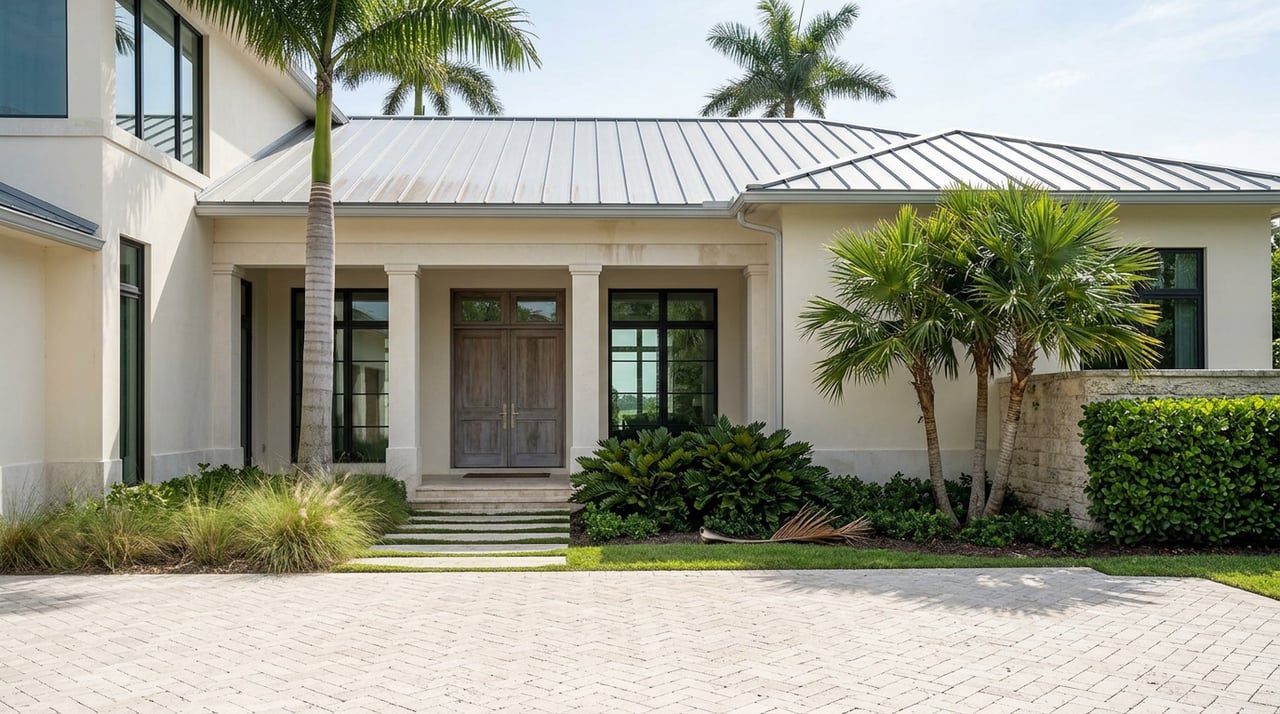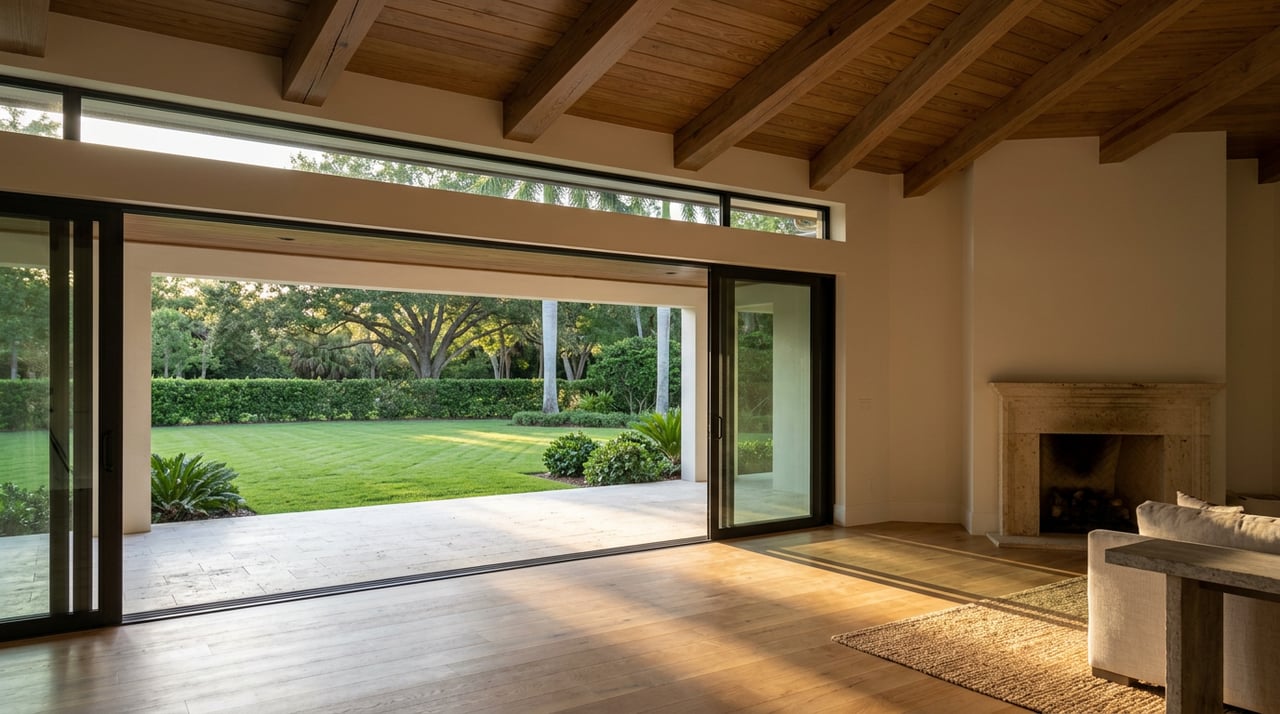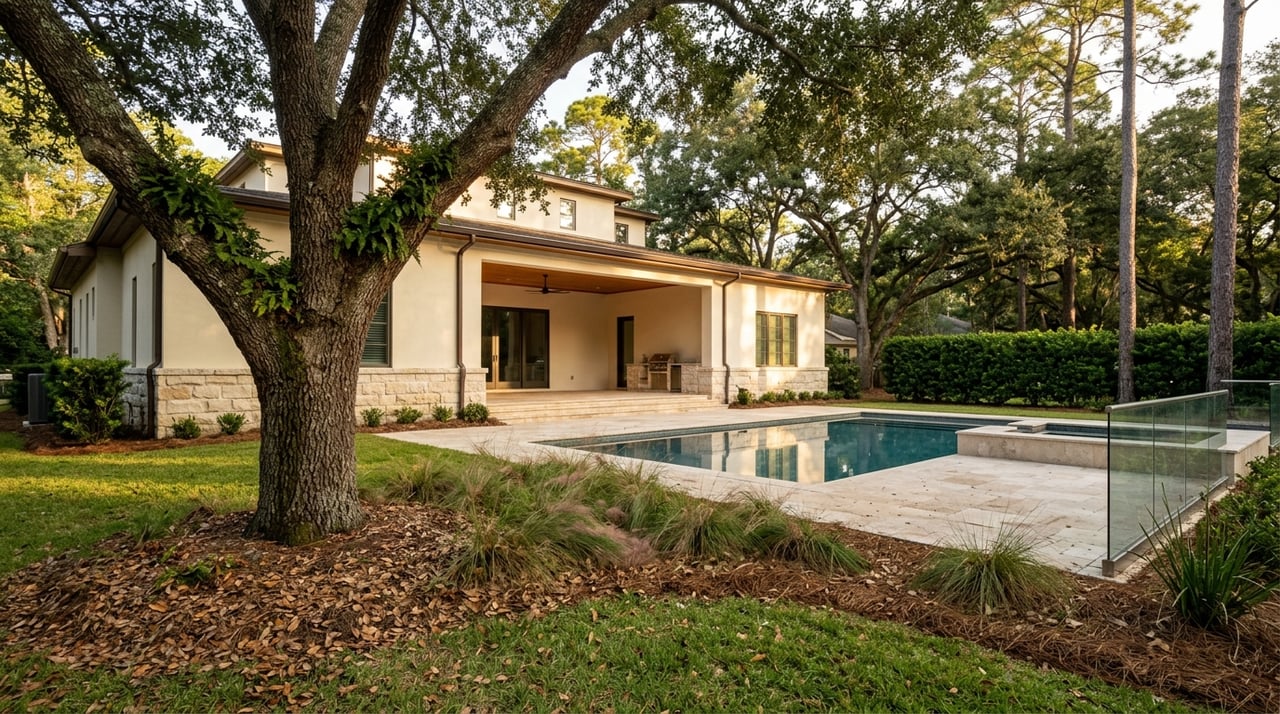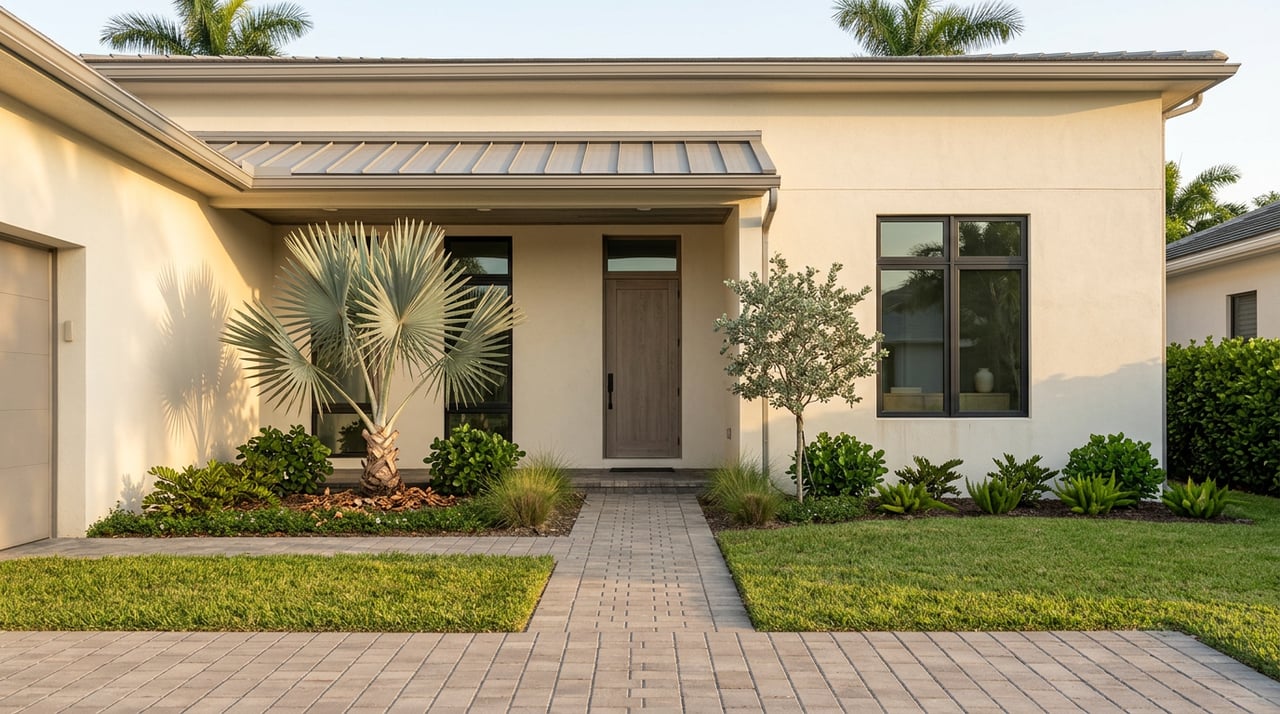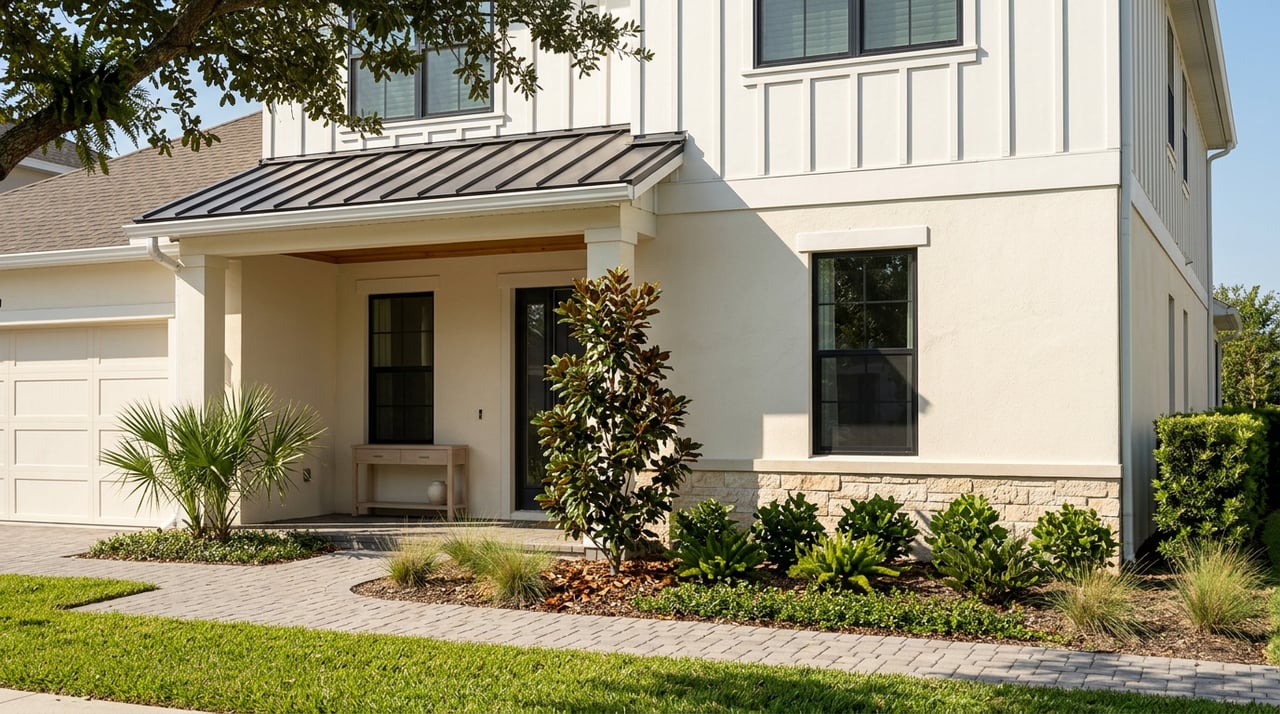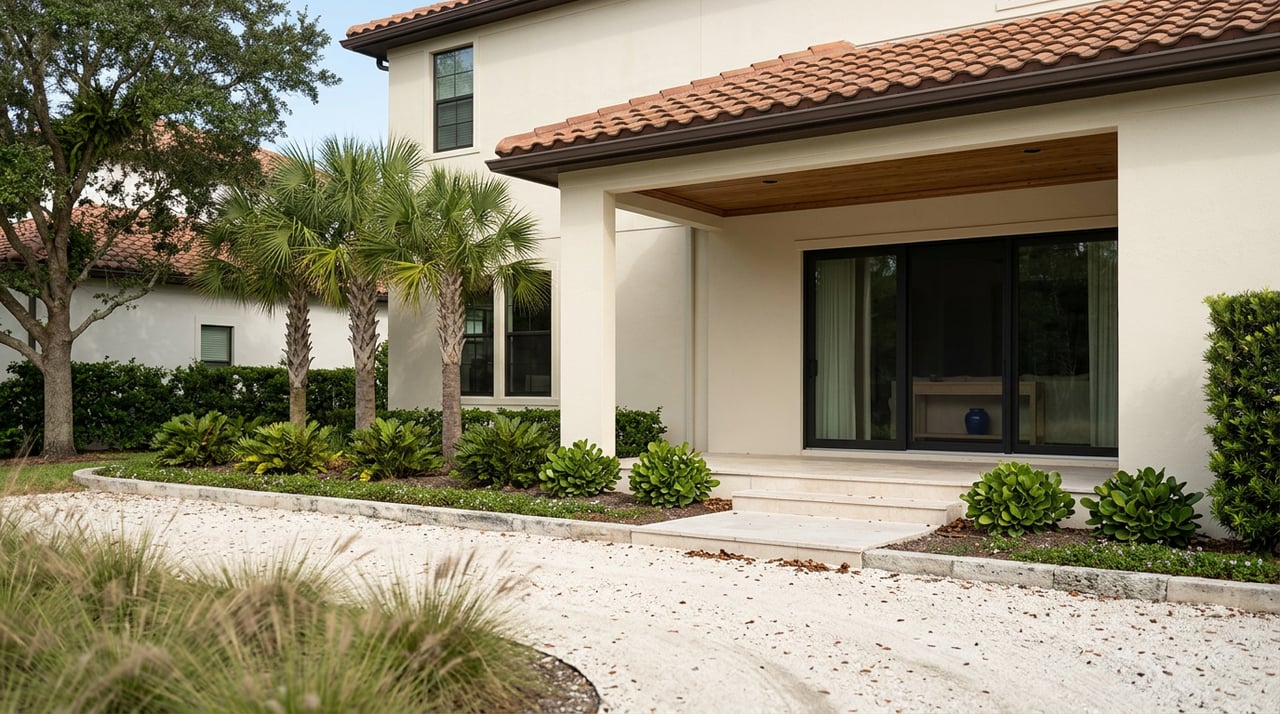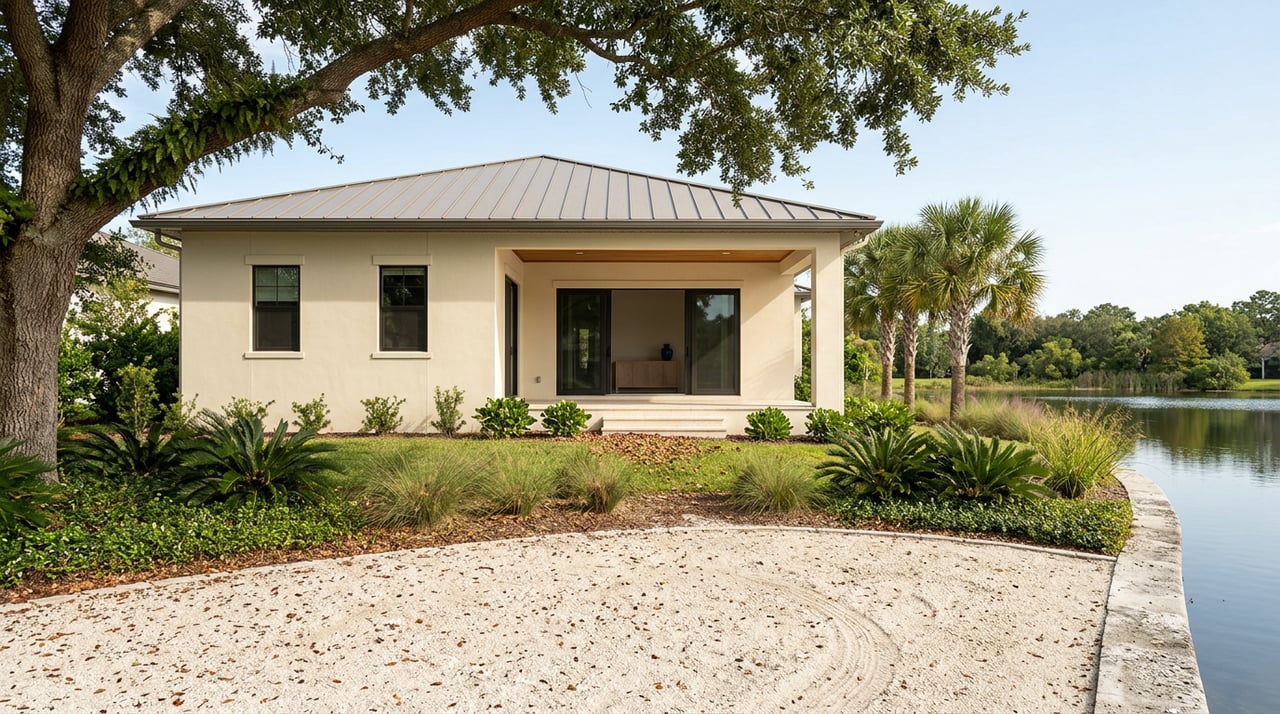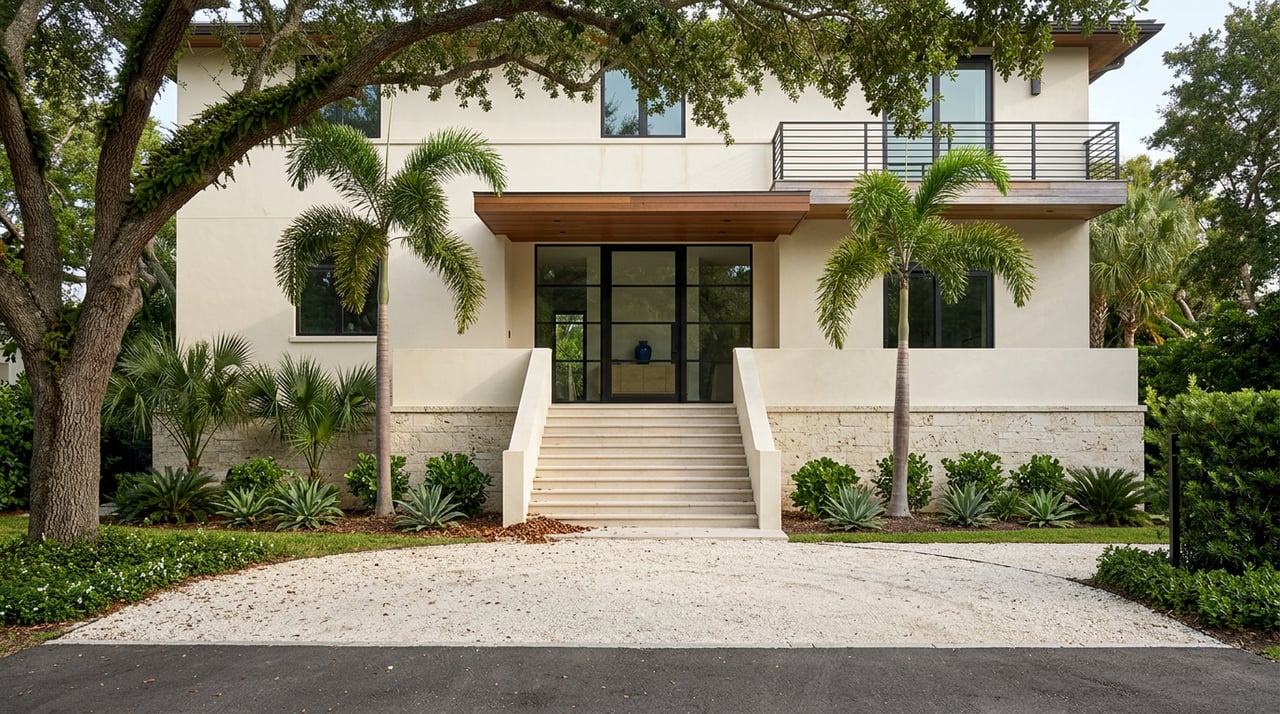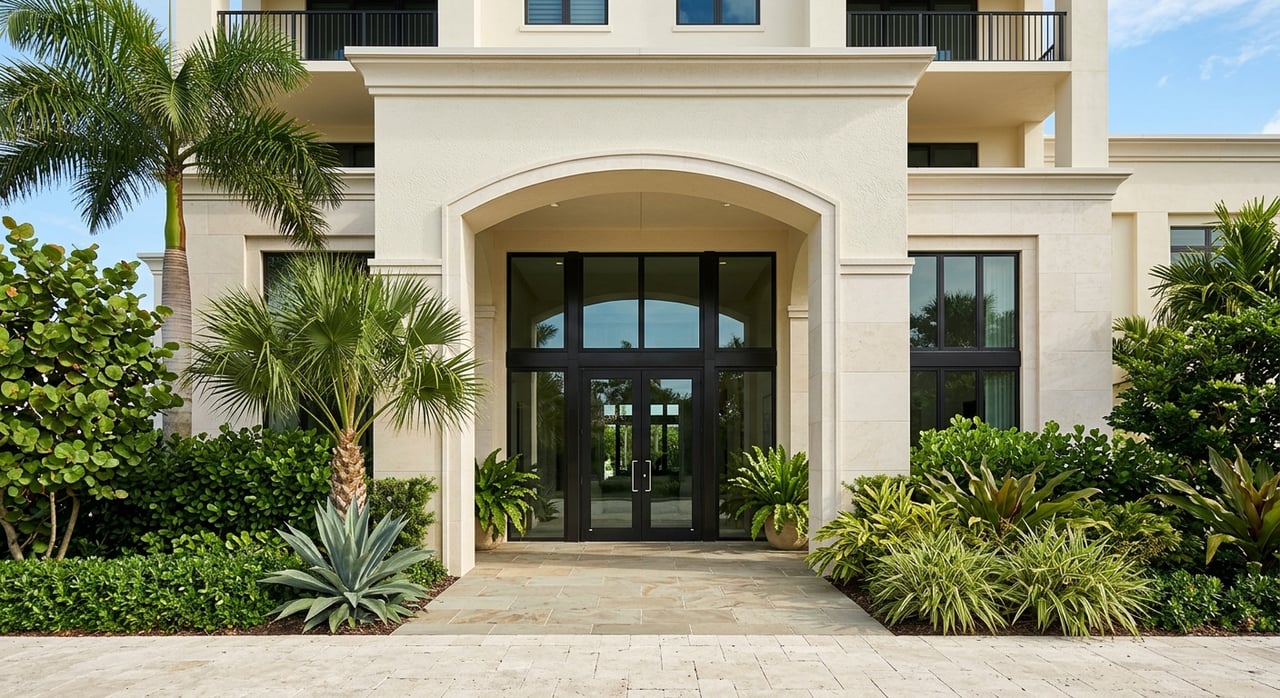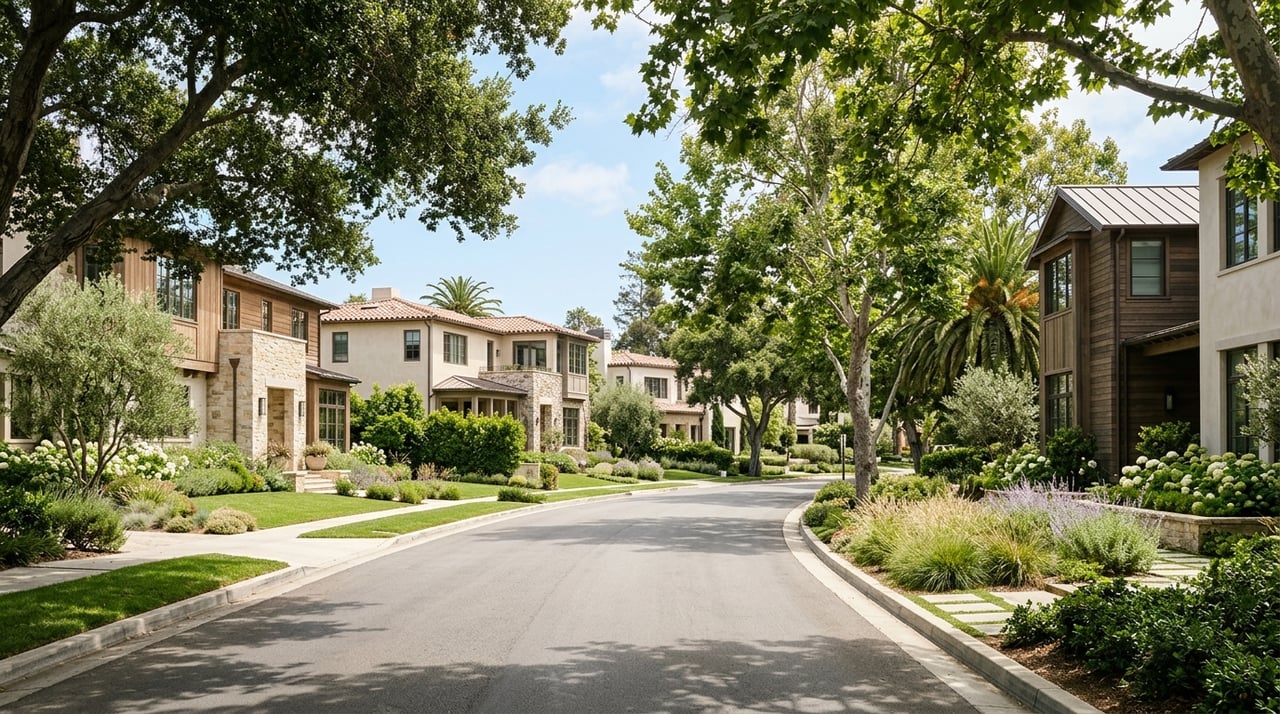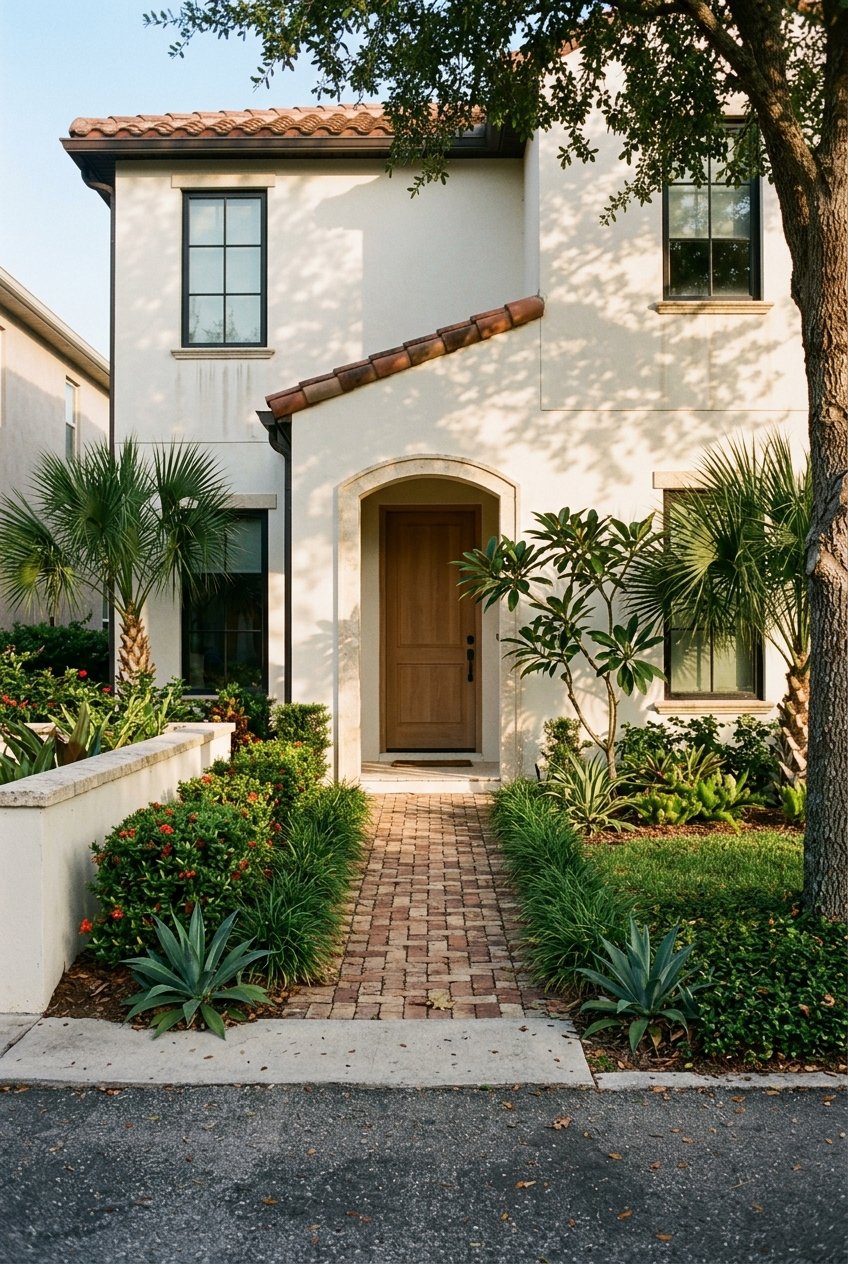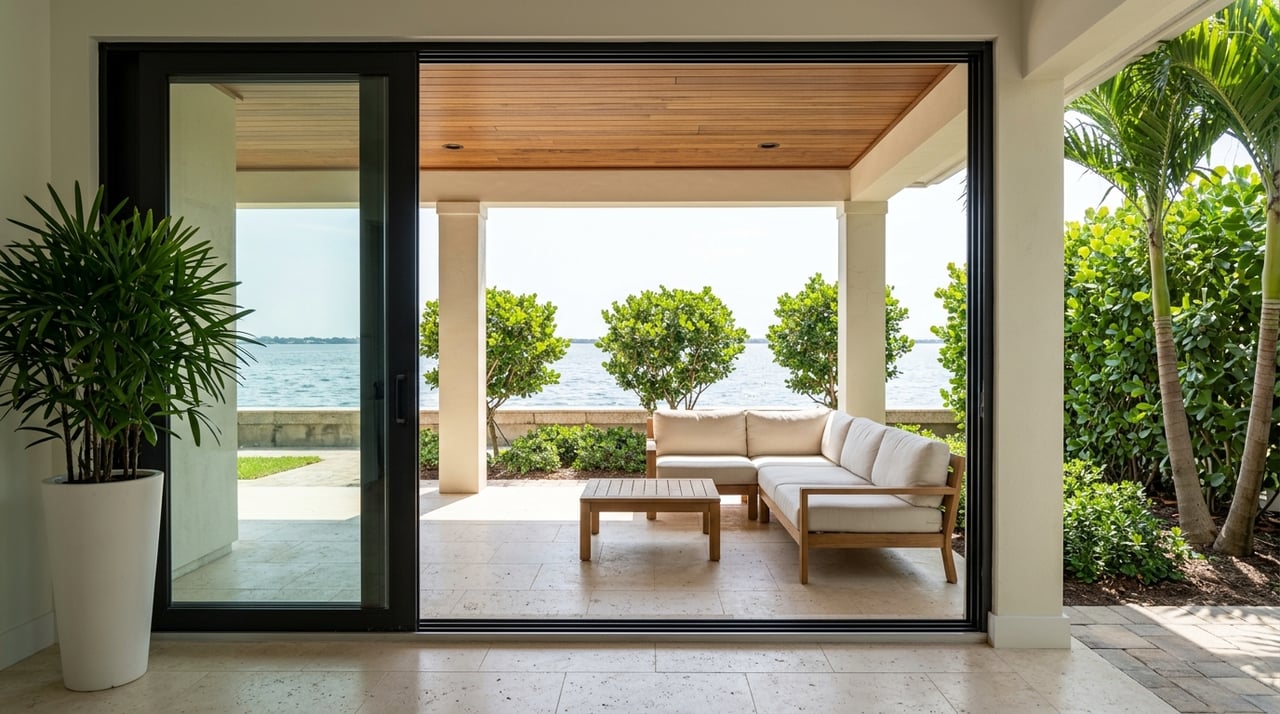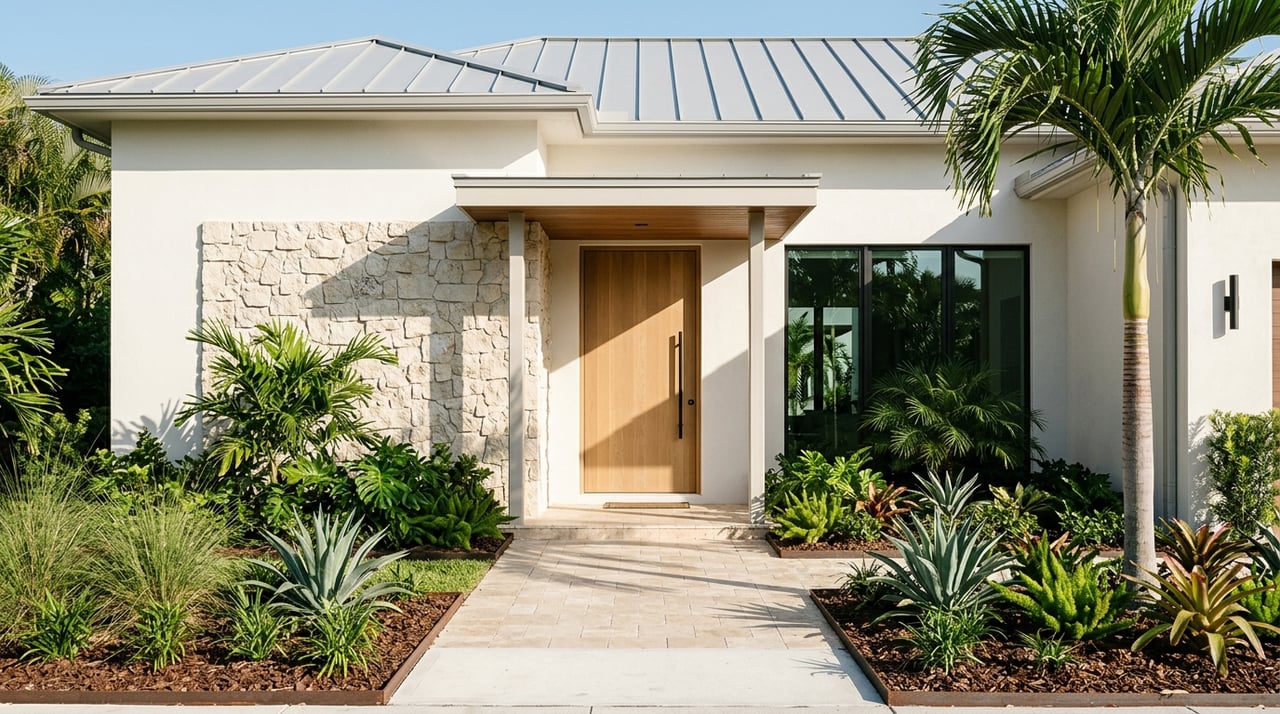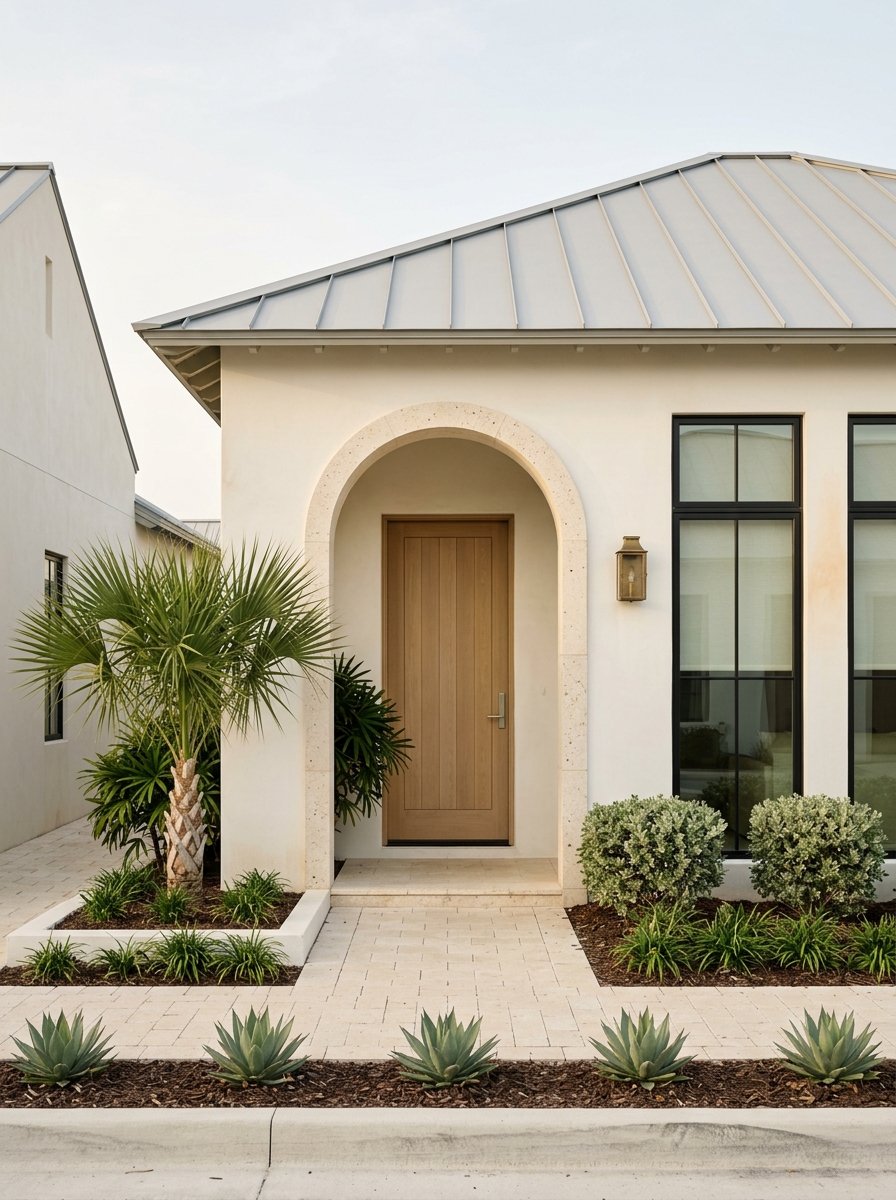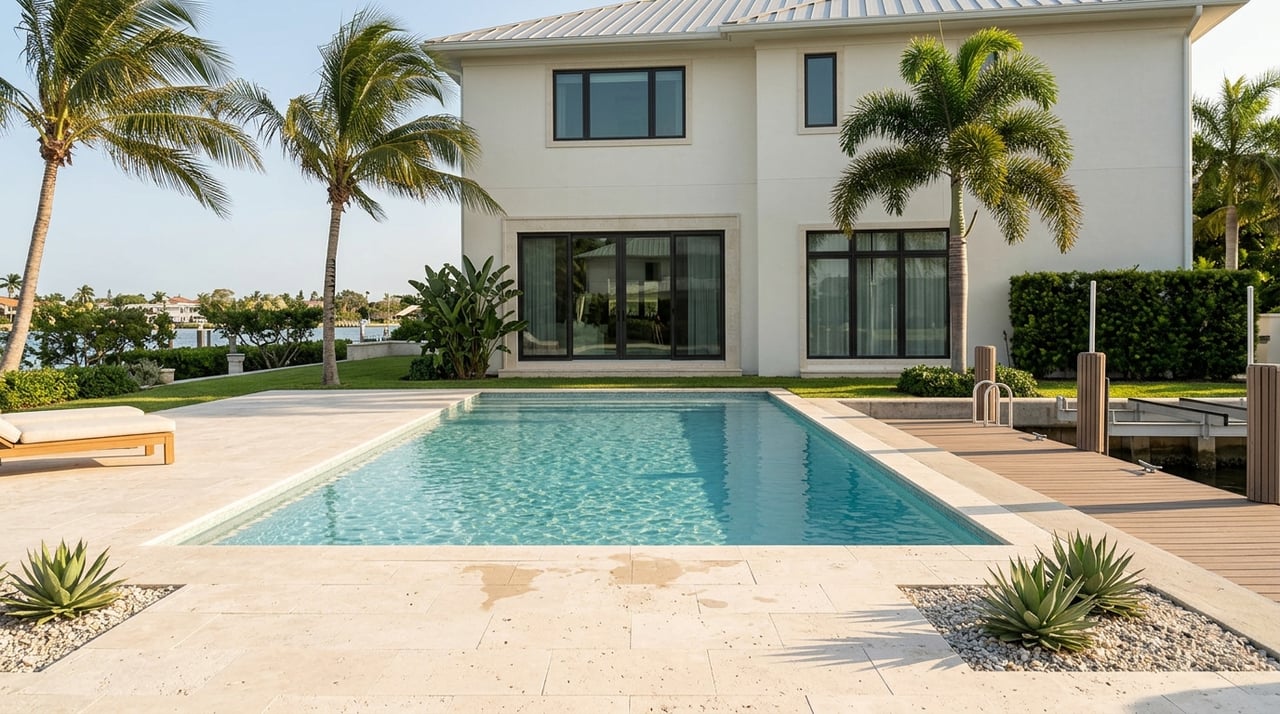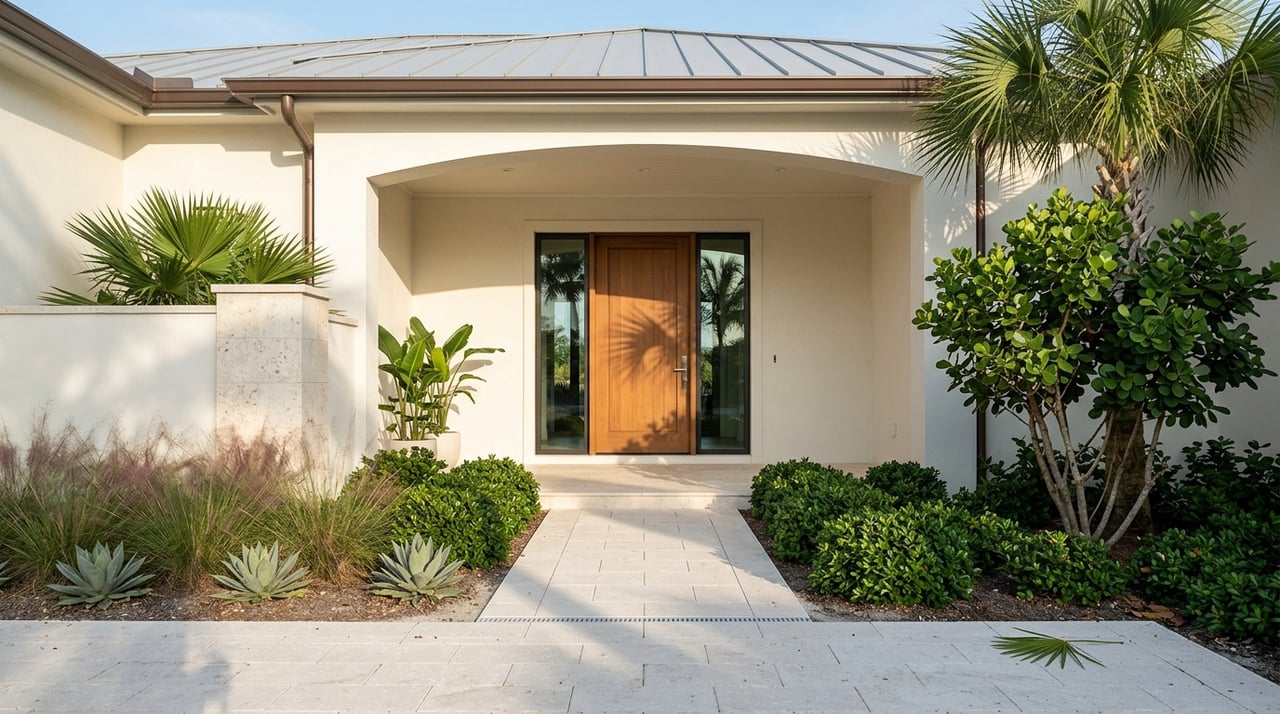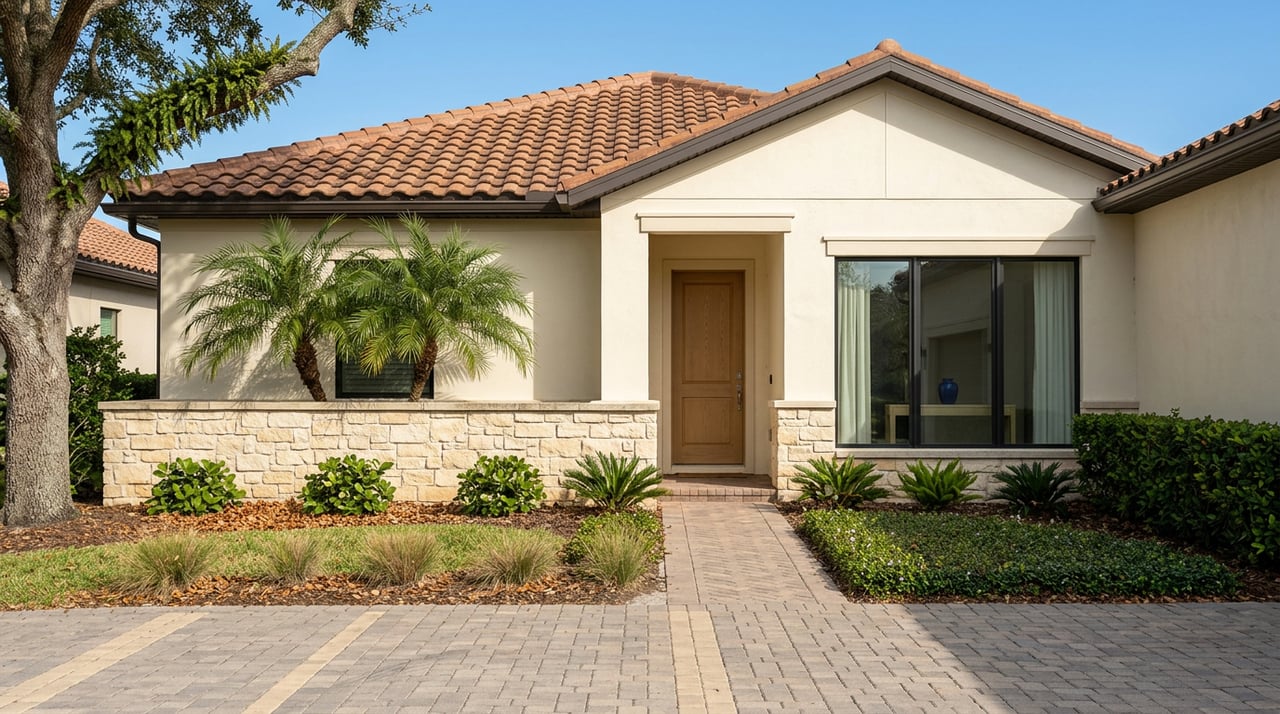
The listing sheet for a Polo Run home tells you square footage, bedroom count, HOA dues, and a price. It rarely tells you which of three very different homes you are actually buying.
That's the number worth finding before you write an offer. Not the median. Not the price per square foot. The status of the solar contract stapled to that specific roof.
The number that isn't on the listing sheet
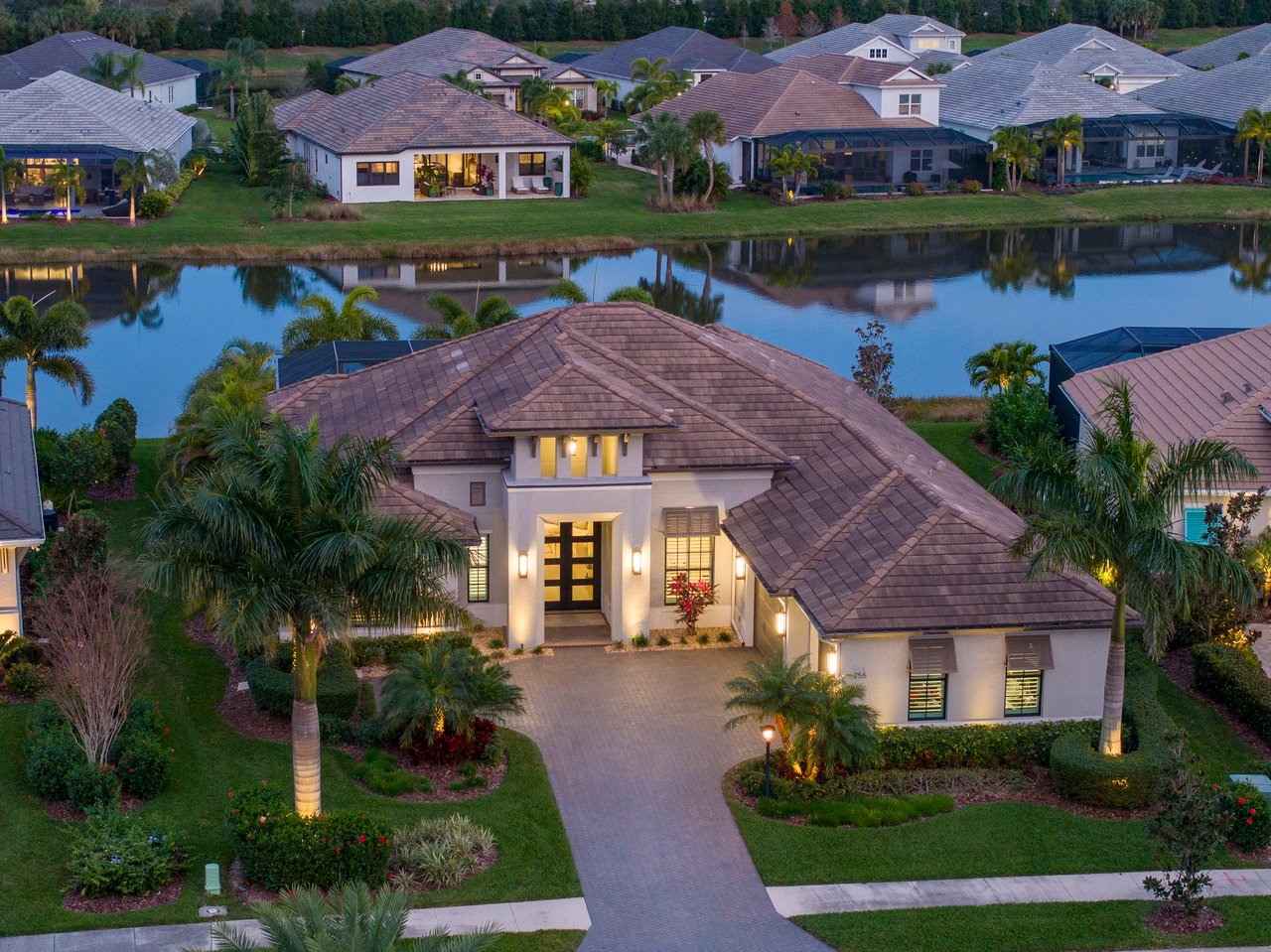
Polo Run sits in a category of one inside Lakewood Ranch. As Lakewood Ranch's first solar-powered village, this thoughtfully planned community of 423 single-family homes combines contemporary design, sustainable technology, and timeless style across tree-lined streets, scenic lakes, and meticulously maintained landscaping. Built by Lennar between 2017 and 2021, every home shipped with rooftop panels, and it is estimated that the solar power produced from the panels will account for 50% to 70% of a home's total electricity consumption.
Two identical Doral floor plans on adjacent streets can carry very different economics depending on how the original buyer treated the panels at closing. One owner may have bought the system outright. Another may still be paying a monthly lease. A third may be on a power-purchase agreement that bills for actual production. Same house. Three different cost stacks.
The median list price is commodity data. The solar contract is the local knowledge that separates a good Polo Run buy from a slow, expensive one.
What changed in June 2025
For most of Polo Run's history, the solar story was simple. The panels were produced by SunStreet, Lennar's own technology company, and residents paid a small monthly fee for the equipment. Then Lennar sold that platform, and the servicer sold itself again.
Here is the chain of custody a Polo Run buyer needs to understand in 2026:
- 2021: Sunnova completed its acquisition of SunStreet Energy Group, LLC, Lennar Corporation's residential solar platform, and became Lennar's exclusive residential solar and storage service provider for new home communities with solar across the country.
- June 2025: Sunnova and certain of its subsidiaries voluntarily filed petitions for chapter 11 relief in the United States Bankruptcy Court for the Southern District of Texas on June 8, 2025, to facilitate a sale process for certain of the Company's assets and business operations. Financial documents also show that the company laid off 55% of its workforce. The bankruptcy filing came amid a series of challenges for Sunnova, including the Department of Energy's termination of a $3 billion loan agreement.
- Summer 2025: Sunnova agreed to sell its residential solar servicing and operations and maintenance platform ServiceCo for $7 million cash to Omnidian, a residential and commercial solar lease and asset management firm. As a stalking horse asset purchase agreement, Omnidian had first choice to purchase ServiceCo. If Omnidian went through with the purchase, it would assume responsibility for the customer service and system management obligations for many of Sunnova's existing customers.
- 2025–2026: After Sunnova Energy filed for Chapter 11 protection in June 2025, a court-supervised sale transferred substantially all of its assets to a new owner group, and SunStrong Management took over servicing for in-service customer accounts.
Bankruptcy did not void anyone's lease. The Chapter 11 sale transferred assets to a new owner; contracts the new owner identifies and assumes remain enforceable. What it did do is scatter the paperwork. That has direct consequences at a Polo Run closing.
Three contracts, three different homes
Ask the listing agent which of these applies. Then verify it.
Owned outright. The seller paid off the system, either at original closing or by refinancing. Electricity produced by the roof is free to the new owner. This is the cleanest resale in the community and, quietly, the most valuable.
Leased. The seller pays a fixed monthly amount to the third-party owner of the panels. The third-party owner owns the panels and leases them to the homeowner for a monthly payment. To preserve its claim against the equipment if the homeowner defaults or sells the home, the third-party owner records a UCC-1 financing statement, often as a fixture filing in the county real-property records. The fixture filing is what makes the lease enforceable against later parties: buyers, mortgage lenders, title companies. A lease can be assumed by the buyer at closing, bought out by the seller, or, in rare cases, prepaid by the buyer to shrink the monthly nut.
Power purchase agreement. The homeowner pays for the electricity the roof actually produces, at a contracted rate per kilowatt-hour. Bills swing with weather, panel health, and inverter performance. Homeowners with PPAs on the Sunnova platform have already discovered how the math can drift. One reported to the BBB that after their PPA transferred, bills went above $100 while production did not increase, an experience worth reading before assuming a PPA at closing.
The three contract types produce three different offers on the same house. A cash-price adjustment for an assumed lease. A concession for a buyout. A holdback for a PPA whose statements are still being reconstructed by a new servicer.
The five-minute due-diligence pass
Before an inspection period runs out, a Polo Run buyer should be able to answer four questions. All four can be checked without the seller's help.
- Pull the parcel record. Confirm ownership, tax bill, and any recorded assessments through the Manatee County Property Appraiser. Polo Run sits in the 34211 zip.
- Search the county land records for a UCC-1 fixture filing referencing the address or the current owner. Absence is a relevant fact, but it does not by itself void the lease. A recorded fixture filing tells you a third party has a perfected interest in the panels.
- Confirm the servicer. Successor accounts should have received welcome materials from SunStrong Management. If SunStrong has no record of the address, the account may be one of the ones that never fully booked before the bankruptcy. When the financier entered Chapter 11, the asset sale operated on the records the debtor had. A contract that existed on paper at the homeowner's house but never got fully booked at the financier may not appear in the receivable schedules sold to the new owner.
- Read the seller's most recent solar statement and electric bill together. For an owned system, only the utility bill will exist. For a lease, the two lines add up to the true monthly cost of running the roof.
Buyers who skip this pass and rely on the MLS remarks are pricing on incomplete information.
Reading Polo Run's current tape
Once the solar picture is clear, the price data starts to make sense. Here is what the community looked like in spring 2026 against Lakewood Ranch as a whole:
| Metric (spring 2026) | Polo Run | Lakewood Ranch overall |
|---|---|---|
| Median list price | $616,500 to $700,000 | ~$659,000 |
| Average days on market | 68 to 112 | — |
| Average $/sq ft | $281.90 to $293.85 | — |
| Active listings | 7 to 8 | 1,592 |
| HOA dues | ~$305–$400/month | Varies by village |
| CDD assessment | Typically $1,500–$2,500/year | $1,500–$3,500/year |
Polo Run's list-price range is tracked at $616,500 median list price, average days on market of 68, and $281.90 average price per square foot as of April 23, 2026, with a separate feed showing a $700,000 median, 112 average days on market, and $293.85 per square foot in March 2026. Lakewood Ranch as a whole was 1,592 active listings with a median price of $659,000 across the same window. HOA and CDD ranges pull from Polo Run HOA dues that average around $305 per month based on the home, Community Development District fees included in property taxes that vary based on lot size and home type but typically range from $1,500 to $2,500 annually, and the broader Lakewood Ranch benchmark that nearly every village carries a CDD assessment typically ranging from $1,500 to $3,500 per year.
Two takeaways sit in that table. First, Polo Run's per-foot pricing runs slightly below the community's peak years, which is consistent with a built-out village where Polo Run benefits from reduced CDD costs and an established community identity as the initial bond debt gets paid down. Second, average days on market well above 60 suggests buyers are already treating each listing as its own puzzle. Which is another way of saying the contract friction is showing up in the pricing.
What this means at the closing table
For sellers, the answer is preparation. Pull the current statement. Locate the original agreement. Decide before listing whether to pay the system off, transfer the lease, or price the home to account for an assumption. Buyers with financing will encounter a title company that has seen the Sunnova docket. Ambiguity extends closing timelines.
For buyers, the answer is a specific escrow item. Any purchase contract on a Polo Run home should require the seller to deliver, before the end of inspection: the current solar agreement, the most recent twelve months of solar and electric statements, evidence of the UCC-1 status, and, if the system is leased, a written confirmation from SunStrong Management identifying the account and the transfer process. If any of those pieces cannot be produced, that is itself the information you needed.
None of this is a reason to avoid Polo Run. The community's design intent still holds. Residents enjoy Friday night food truck gatherings at the amenity center, creating natural opportunities to connect with neighbors, and the proximity to polo matches at nearby facilities adds a unique recreational dimension that reflects the neighborhood's namesake sport. Lakewood Ranch Main Street is less than 10 minutes away, University Town Center shopping is about 15 minutes away, and the Premier Sports Campus and Greenbrook Park are five minutes from the community entrance. The lifestyle case is intact. The transaction case just requires one more layer of diligence than a non-solar village would.
Questions worth asking before you write an offer
Is my Sunnova-originated lease still enforceable? Generally, yes. According to bankruptcy law, existing contracts typically remain in effect during Chapter 11 proceedings unless the company formally rejects them through the bankruptcy court. Contracts assumed by the new owner group and now serviced by SunStrong Management continue on their original terms.
Who do I call if the panels stop producing after I close? Start with SunStrong for leased and PPA systems using the materials sent to successor accounts. For owned systems, contact the panel manufacturer directly. If no one has a record of the address, contact Kroll Restructuring Administration, the court-appointed claims and noticing agent in the Sunnova case, using the contact information on the case docket page.
Should I ask the seller to buy out the lease before closing? Sometimes. In some cases, buying out the lease or PPA before listing the home may be the most practical approach, as it eliminates the complication entirely. When the buyout number is small relative to the sale price, most sellers will agree to price it into the deal in exchange for a cleaner title.
Does the solar affect financing? It can. Conventional lenders and their title companies want a clean picture of any recorded fixture filing. A well-documented lease with a clear assignment path rarely delays closing. A missing UCC-1 with a system still on the roof can.
If you are weighing a Polo Run purchase or preparing to list one, the paperwork behind the panels deserves as much attention as the paint and the pool cage. Victoria Turner works Lakewood Ranch alongside Sarasota's coastal markets, and she reads solar addenda the same way she reads seawall permits and roof warranties: line by line, before the inspection period runs. Book a consultation to talk through a specific address, a specific contract, and a specific number.