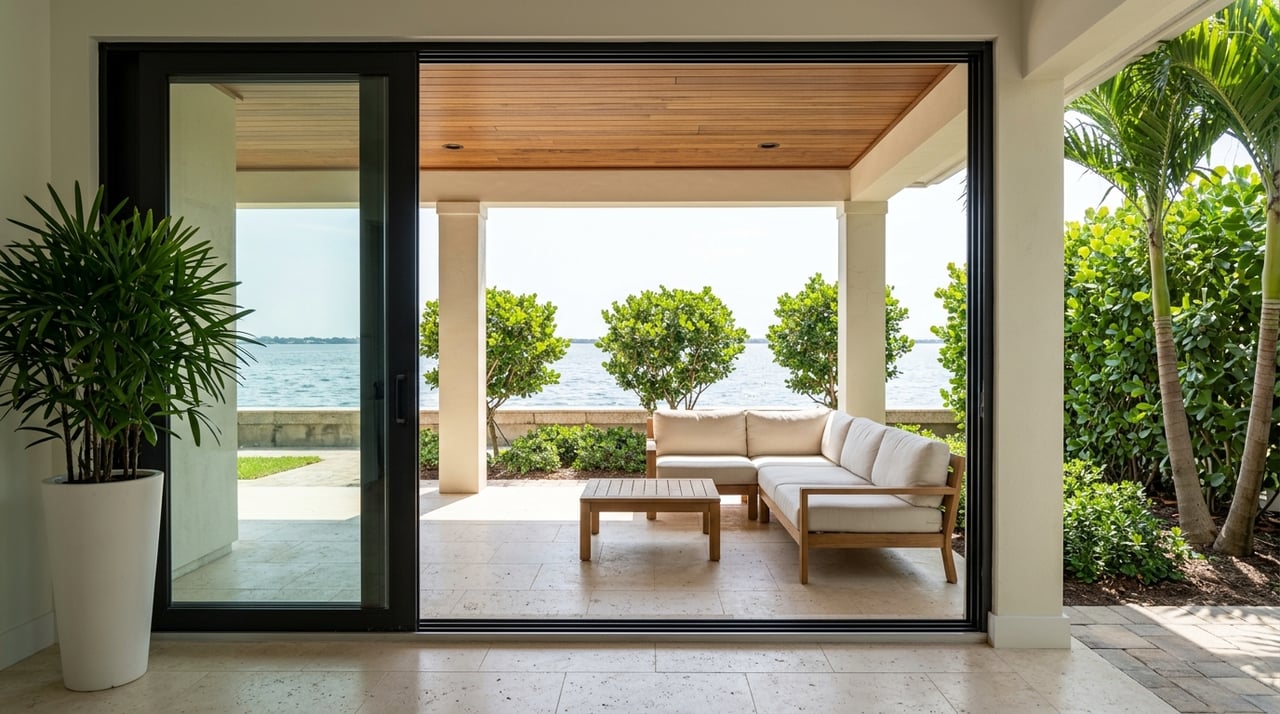
Wondering whether Siesta Key Village or a beachfront setting is the better fit for your next home? It is a smart question, because Siesta Key does not live like one single market. Your day-to-day experience can feel very different depending on whether you want walkability, water access, or a quieter sand-first lifestyle. This guide will help you compare the island’s main lifestyle zones so you can choose the spot that fits how you actually want to live. Let’s dive in.
Why Siesta Key Feels Different by Area
Siesta Key is best understood as a group of lifestyle zones rather than one uniform neighborhood. Sarasota County’s Siesta Key Overlay District is designed to support pedestrian activity and village character in commercial areas, while residential and rental rules can vary by zoning district.
That matters because the right choice is usually less about a catchy location label and more about how you plan to use the home. If you want to walk to dinner, launch a kayak from your backyard, or prioritize beach access above all else, your best fit may be very different.
Siesta Key Village Lifestyle
Siesta Key Village is the island’s most walkable and social area. Local sources describe it as a classic beach shopping and dining district with casual restaurants, tropical bars, live entertainment, boutiques, and a tree-lined stretch along Ocean Boulevard.
If you like having activity close by, the Village offers real convenience. Walking is easy in this area, and Sarasota County’s free Route 77 Siesta Islander trolley connects downtown Sarasota, Siesta Key Village, Siesta Beach, South Village, and Turtle Beach Park & Campground.
For many buyers, that makes the Village the most practical part of the island for a car-light routine. If you picture morning coffee walks, casual dinners out, and easy access to island activity, this area often checks those boxes.
What to expect in the Village
Living near the Village often means trading a little privacy for convenience and energy. Parking can be tricky during busy hours and holidays, so being close to the action can come with curbside and traffic tradeoffs.
The Village edge can also feel more commercial and lodging-oriented than other parts of the island. That pattern comes from local zoning and land use, which support a more pedestrian-focused commercial environment in this area.
Canal-Front Living on Siesta Key
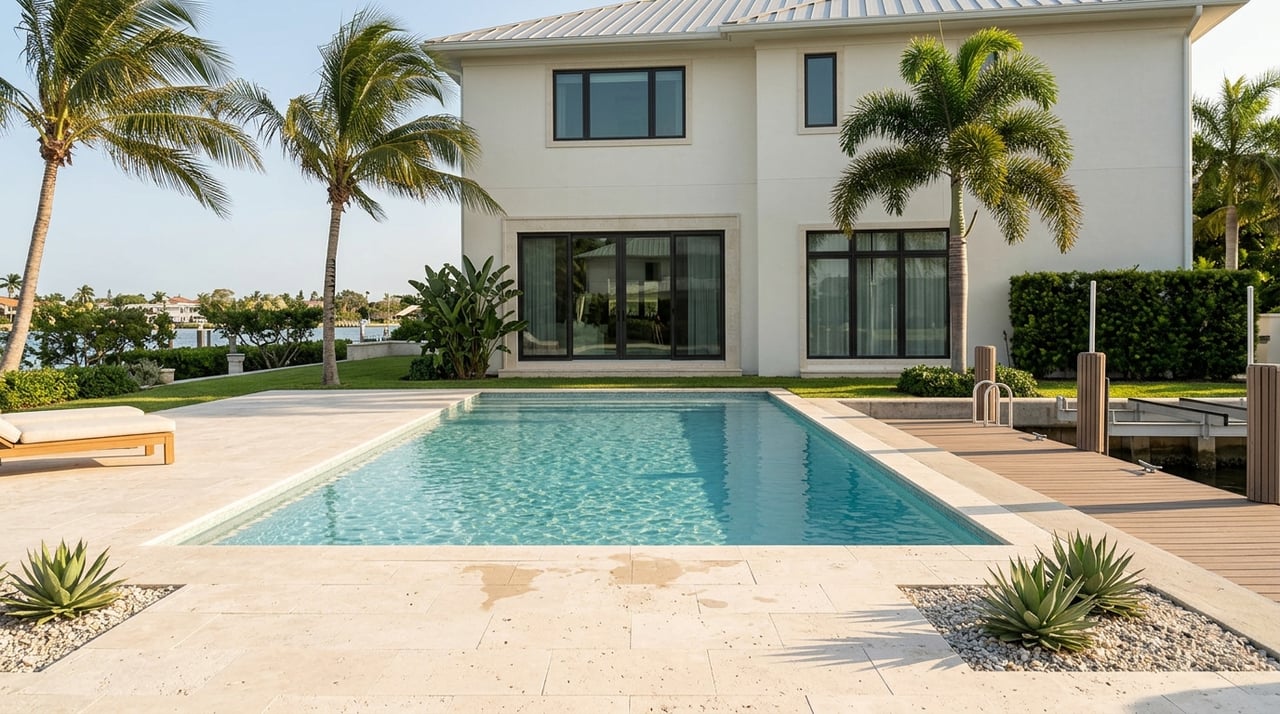
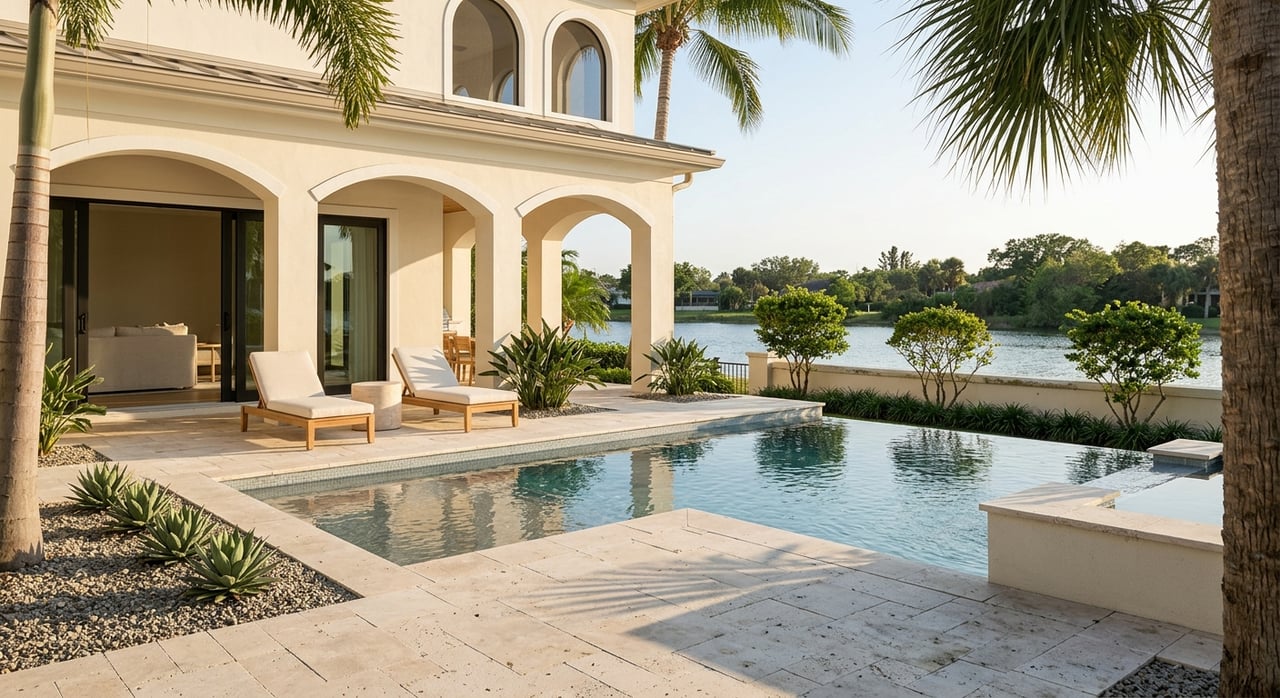
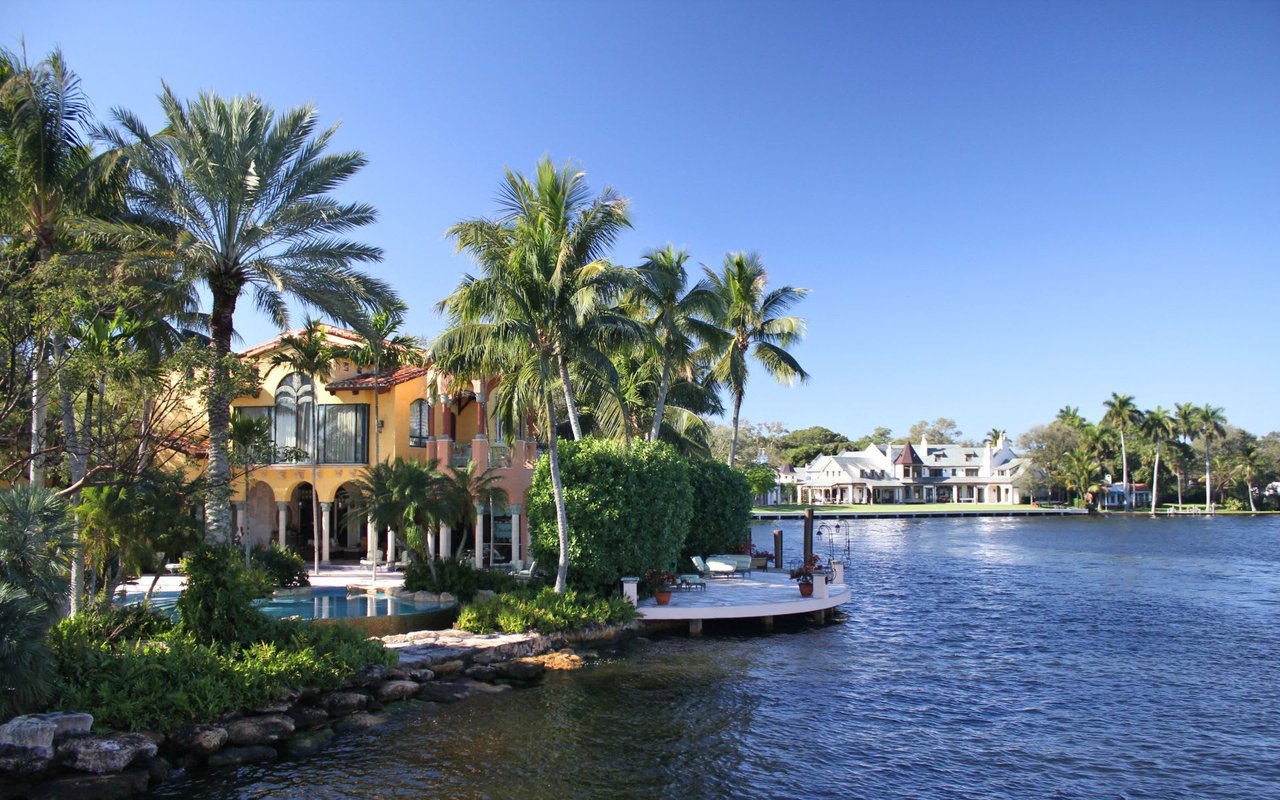
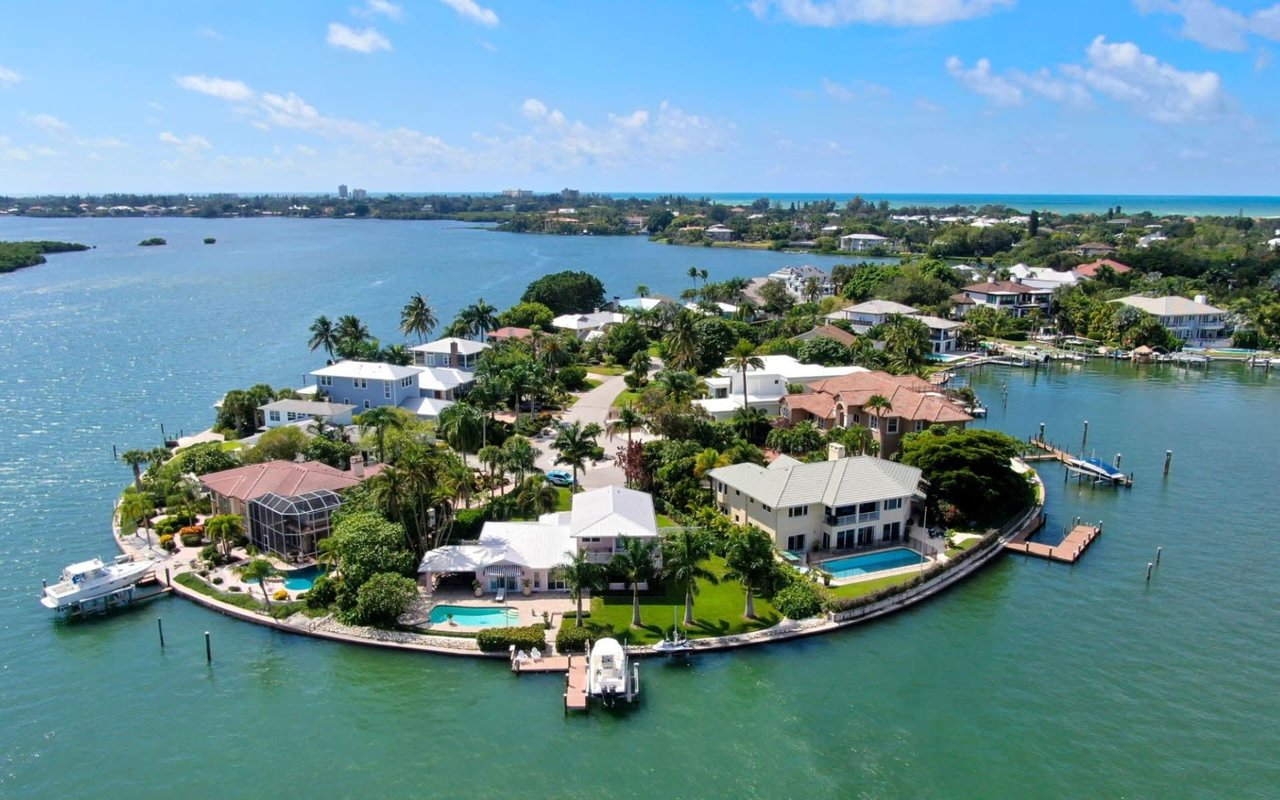
If your ideal day includes boating, paddling, or a quieter residential setting, canal-front streets may be the better match. The Grand Canal is a 10-mile network of shallow canals created to support residential lots and boat access to Roberts Bay and eventually the Gulf of Mexico.
This part of Siesta Key tends to appeal to buyers who want waterfront living tied to everyday use. Docks, kayaking, paddle sports, and a more tucked-away feel are often a bigger part of the experience here than walkability to restaurants or nightlife.
Why canal-front homes feel different
Canal-front areas usually feel more residential than the Village core. They can offer a sense of separation from the busiest visitor zones while still keeping you on the island.
If your priorities center on privacy and water access, this can be a strong fit. It is often the right choice for buyers who want their home to function as a retreat first and a social base second.
Beachfront Stretches and South-End Living
If direct sand access is your top priority, beachfront stretches may be the clearest answer. Sarasota County classifies Siesta Beach as a Top Tier or Destination Beach, and the island also includes smaller beach access points with different parking conditions.
Some access sites have sand parking lots, while others are walk-in only. For example, county beach access information shows that Access 13 at Point of Rocks Road is pedestrian access only, and Access 2 has one ADA space with no additional parking.
On the south end, Turtle Beach Park offers a different coastal experience. Sarasota County describes it as tucked away, with a mangrove lagoon, beach access, a boat ramp, canoe and kayak launches, fishing amenities, and a campground.
What beachfront buyers should plan for
Beachfront living offers the closest connection to the shoreline, but it can also come with more practical considerations. Parking can be limited in some areas, and coastal rules may have a bigger role in future renovation or rebuild plans.
This part of the island may suit you if your goal is simple, direct access to the sand and a more seasonal rhythm. If your idea of value is stepping outside and getting to the beach with minimal friction, beachfront living can be hard to beat.
Rental Rules Depend on Zoning
One of the biggest mistakes buyers make on Siesta Key is assuming rental potential is based only on location. In reality, Sarasota County makes clear that rental rules depend on zoning district and use, not just the street address.
The county’s updated rental guide says that outside the barrier-island RMF context, leases generally must be at least 30 days and short-term rental use is not allowed. On the barrier islands, Sarasota County allows short-term rentals in RMF districts for periods of less than 30 days, classifying them as vacation rentals rather than transient accommodations.
That means a Siesta Key address alone does not tell you whether a home can be used for short-term rental income. If rental flexibility matters to you, the parcel’s actual zoning is more important than a listing’s neighborhood description.
Why this matters when choosing your spot
This issue tends to come up most often when buyers compare Village-adjacent properties, beachfront options, and residential pockets. Barrier-island RMF areas may offer stronger short-term rental flexibility, while typical single-family areas often do not.
If rental use is part of your long-term plan, it is worth reviewing that question early. It can shape which part of Siesta Key makes financial and lifestyle sense for you.
Coastal Rules Affect Future Plans
Beachfront and canal-front properties on Siesta Key sit within Sarasota County’s coastal regulatory framework. The Siesta Key Overlay District states that uses and structures must comply with the Coastal Setback Code, and the county’s coastal setback rules apply throughout unincorporated Sarasota County.
For you as a buyer, this matters most when thinking about additions, renovations, storm hardening, or future rebuild potential. A beautiful location and a strong long-term plan should work together.
How to Choose the Right Siesta Key Zone
The easiest way to narrow your options is to think about how you will use the home most often. The best fit is usually the one that supports your real routine, not just your ideal vacation image.
Here is a simple way to think about it:
- Choose the Village if you want walkability, easy access to dining and entertainment, and a more car-light lifestyle.
- Choose canal-front streets if boating, paddling, backyard water access, and a quieter residential feel matter most.
- Choose beachfront stretches if direct access to the sand is your top priority and you are comfortable with tighter parking and stronger coastal considerations.
Questions to ask yourself first
Before you decide, consider these practical questions:
- Do you want to walk to restaurants and shops regularly?
- Would you use a dock, kayak launch, or boat access often?
- Is direct beach access more important than parking convenience?
- Do you want the option to explore short-term rental use?
- Are future renovation or rebuild plans part of your decision?
Your answers can quickly point you toward the right part of the island.
Final Thoughts on Village vs Beachfront
There is no one-size-fits-all answer on Siesta Key, and that is part of what makes the island so appealing. The Village offers energy and convenience, canal-front streets offer a more private waterfront lifestyle, and beachfront areas offer direct connection to the coast.
When you match the property to the way you truly plan to live, the decision gets much clearer. If you want a tailored approach to comparing Siesta Key options, Victoria Turner can help you evaluate location, zoning, and lifestyle fit with the detail and care that coastal purchases deserve.
FAQs
What is the difference between Siesta Key Village and beachfront living on Siesta Key?
- Siesta Key Village is more walkable and social, while beachfront areas are more focused on direct sand access and can have tighter parking and stronger coastal considerations.
Are short-term rentals allowed everywhere on Siesta Key?
- No. Sarasota County says rental flexibility depends on zoning district and use, and barrier-island RMF areas may allow short-term vacation rentals while many other residential areas do not.
Is Siesta Key Village easy to live in without driving everywhere?
- It can be one of the most practical areas for a car-light routine because it is walkable and connected by Sarasota County’s free Route 77 trolley.
What makes canal-front homes different on Siesta Key?
- Canal-front homes often appeal to buyers who want docks, kayaking, paddle sports, boat access, and a quieter residential setting.
Do beachfront homes on Siesta Key have extra rules for renovations?
- They can, because beachfront and canal-front properties are part of Sarasota County’s coastal regulatory framework, which can affect additions, storm hardening, and future rebuild plans.
What is the best area of Siesta Key for daily convenience?
- For many buyers, the Village offers the most day-to-day convenience because of its walkability, dining and shopping access, and trolley connection to other island destinations and downtown Sarasota.